

Stroke is often considered to be a condition that affects people who are older. But this perception is becoming increasingly untrue. Stroke is not just common for older people but also among young people, with nearly fifteen percent of all ischemic strokes. The growing rate of vascular risk factors in the younger age group has resulted in a rise in ischemic strokes as well as recurrent strokes. Post-stroke mortality and long-term disabilities. This imposes a huge social and economic burden on those who are in the most active years of their lives.
One of the greatest challenges for managing stroke in people who are younger is early detection. Due to a lack of awareness and the relative rarity of stroke in comparison to its similar conditions, stroke symptoms are frequently missed or not properly diagnosed. This is what makes the need for education, awareness, and proactive measures to improve healthcare vital in clearing the way to a better future.
Stroke Statistics in India
Before examining the different aspects of stroke, it’s crucial to comprehend its severity in India. According to the Indian Stroke Association, stroke is the second most common cause of death in the country. It affects people across all ages.
The most important statistics are
-
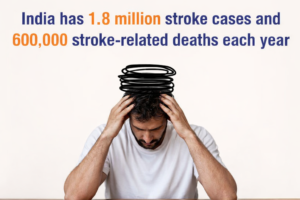
India is the only country to record more than 1.8 million strokes each year.
-
More than 600,000 deaths per year are attributable to stroke.
-
Stroke is one of the major causes of long-term disability, greatly affecting quality of life and even independence.
These numbers emphasize the need for increased awareness and prevention as well as early intervention.
Rising Prevalence Among Young Adults and Adolescents
Recent studies have discovered an alarming increase in cases of stroke in adolescents, young adults, and even children. This trend tends to go under the radar, since stroke is often viewed as an illness of old age.
For younger people, strokes can cause devastating effects, impacting the progression of education, career development, and mental health, as well as social well-being. Early detection of risk factors, as well as prompt medical treatment, is essential in limiting the long-term effects.
The Unseen Threat: Pediatric Strokes
Children’s strokes, which affect them between 1 and 18, often go undiagnosed. The delay could lead to serious and long-lasting consequences.
Common causes of stroke in children are:
-
Congenital heart diseases
-
Sickle cell anemia
-
Inflammatory conditions and infections
Children who suffer from strokes can have a negative impact on motor skills, speech, and behavior, which can significantly impact the quality of life for all. The early diagnosis of stroke, timely treatment, and rehabilitation programs that are appropriate for age are essential in enhancing the outcomes of young stroke victims.
Stroke in Young Males vs. Young Females
The risk of stroke and the outcomes can be different for males and females during early adulthood.
-
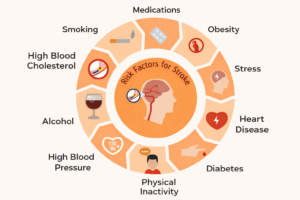
Males who are young are more likely to experience more stroke-related incidents because of factors like drinking alcohol, smoking, or substance abuse, as well as bad lifestyle choices.
-
Young women are at a higher risk during pregnancy, in the postpartum period, or when using hormonal contraceptives. This is especially true when they are combined with risk factors, such as smoking cigarettes or high blood pressure.
Knowing these particular risk factors for women is crucial for focusing interventions and prevention strategies.
Types of Stroke and Common Symptoms
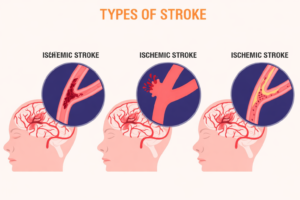
Ischemic Stroke
The most frequent kind of stroke results from a blockage of the blood vessel that supplies the brain.
-
A stroke thrombosis. A clot develops in the blood vessels in the brain.
-
A stroke with an embolic clot is formed within the body and travels to the brain.
Hemorrhagic Stroke
More uncommon, but usually more severe, the cause is ruptured blood vessels in the brain.
-
Intracerebral hemorrhage is bleeding in the tissues of the brain.
-
Subarachnoid hemorrhage is bleeding across the brain’s surface.
Transient Ischemic Attack (TIA)
Often referred to as “mini-strokes,” TIAs cause symptoms that are temporary and disappear in an hour. However, they can be important warning indicators of a greater likelihood of having a serious stroke.
Recognizing Stroke Symptoms
The early recognition of symptoms of stroke is vital, as prompt treatment can dramatically improve outcomes. The most common warning signs are
-
A sudden numbness or weakness in one or both sides of the body
-
Speech difficulties or difficulty speaking
-
Troubles with vision that occur suddenly in both eyes or one eye
-
A severe headache that has no reason
-
Balance problems, dizziness, or difficulty walking
Make sure to act quickly in the event of sudden numbness, confusion, or difficulty speaking. It could be the result of a stroke.
FAST Method for Stroke Recognition
-
F – Face Drooping
-
A – Arm Weakness
-
S – Speech Difficulty
-
T – It is time to seek emergency treatment immediately
Stroke Mimics and Brain Region Symptoms
A variety of diseases can mimic strokes and cause migraines, seizures, and brain tumors, as well as metabolic disorders and Guillain-Barré syndrome. The symptoms can vary based on the brain area affected:
-
Brainstem Disorientation, difficulty eating, double vision, breathing issues, or heart rate issues
-
Cerebellum balance problems, incoordination, and slurred speech.
-
Temporal Lobe Memory issues, language issues, and hallucinations
-
Occipital Lobe: Loss of vision or disturbances
-
Parietal Lobe Sensory deficiencies in reading, difficulties with reading, or calculating
-
Frontal Lobe Changes in personality, impairment of judgment, and speech problems
Preventive Steps for Stroke
The prevention of stroke involves managing variables that increase risk and implementing healthy lifestyle choices:
-
Manage high blood pressure with frequent monitoring of blood pressure and treatments
-
Keep a balanced and healthy diet
-
Keep active physically by doing regular workouts.
-
Do not smoke and do your best to avoid smoking tobacco products
-
Limit alcohol consumption
-
Maintain cholesterol and control diabetes
-
Treat heart problems, such as irregular heartbeats.
-
Get medical attention immediately for indications of danger
Screening and Its Importance
Screening is a key element in the early detection and prevention of stroke-related complications.
Common Screening Options
-
Cerebral arterial image (MRA, CTA, Doppler ultrasound)
-
Digital subtraction angiogram of neck and head vessels
-
Carotid artery duplex ultrasound
-
24-hour Holter Monitoring to detect irregular heartbeats
Why Screening Matters
Early screening can identify subtle risk factors, thereby preventing permanent neurological damage, limiting the possibility of suffering, and enhancing the overall health of the brain.
Monitoring of cholesterol, blood pressure levels, and blood sugar, along with vascular health, is vital, especially for people who have a family history or other risk factors.
Conclusion
Stroke is no longer limited to older adults; it is a serious and growing health concern affecting young adults, adolescents, and even children. Recognizing early warning signs, understanding risk factors, undergoing timely screening, and adopting preventive measures are essential to reducing the long-term impact of stroke. Since every minute is critical in stroke care, prompt medical intervention can make the difference between recovery and permanent disability. At Avasa Hospital, comprehensive stroke care, advanced diagnostic facilities, and 24/7 emergency services are available for patients of all ages. If you or a loved one experiences any symptoms of stroke, contact Avasa Hospital immediately and seek urgent medical attention to ensure timely treatment and better long-term outcomes.