

The high blood sugar levels, which are also referred to as hyperglycemia, can be harmful if not addressed promptly. Rapid increases in blood glucose could be caused by a bad diet, anxiety, illness, missed medications, or insufficient physical exercise. While maintaining a steady and consistent level of control is crucial, there are also methods that are safe and efficient to lower blood sugar levels quickly and avoid complications.
If elevated blood sugar levels are frequent, it is crucial to speak with a specialist who is experienced to ensure proper assessment and prompt treatment. Learn more about expert diabetes and blood disorder care at Avasa Hospital
Understanding Blood Sugar
The blood sugar levels increase when the body can’t utilize insulin efficiently or is not producing sufficient insulin. Chronic hyperglycemia may cause damage to blood vessels and nerves, kidneys, eyes, and even the heart. It is imperative to act immediately if the blood sugar levels are above the recommended range for healthy individuals.
Normal blood sugar levels:
-
Fasting: 70-99 mg/dL
-
After meals: Less than 140 mg/dL
In the event that your levels are consistently high, you need medical care.
1. Make sure you drink plenty of water
Drinking water is among the fastest ways to lower blood sugar levels in a natural way.
Water assists in flushing glucose out of the body, which reduces dehydration and helps improve insulin function. Avoid drinking sugary beverages and juices of fruit, as they can raise blood sugar levels.
2. Engage in light physical exercise
Physical activity aids muscles in absorbing glucose in the bloodstream.
Some effective alternatives include stretching, walking, yoga, and moderate cycling. A walk of 15-30 minutes can dramatically lower glucose levels. Do not exercise vigorously if your blood sugar levels are extremely high.
3. Cut down on carbohydrate consumption immediately
Reducing refined carbs will help to prevent any further spikes in glucose.
Pick up eggs, vegetables, nuts, seeds, and lean protein. Avoid white bread, rice, sweets, and sweet food items until blood sugar levels have stabilized.
4. Include Fiber-Rich Foods
Fiber slows the absorption of glucose and helps control blood sugar levels.
Oats, lentils, vegetables, flaxseeds, and chia seeds can be particularly beneficial in lowering blood sugar levels following meals.
5. Reduce Stress Levels
Stress hormones like cortisol raise blood sugar levels.
Simple methods such as deep breathing, meditation, or gentle yoga are able to quickly reduce stress and increase the sensitivity of insulin.
6. Get enough rest and sleep
Lack of sleep can increase insulin resistance and can affect glucose control.
Try to get 8 to 7 to 8 hours of sleep each day, and try to avoid late-night eating.
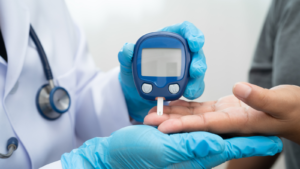
7. Monitor Blood Sugar Regularly
Monitoring regularly helps detect abrupt spikes in the early stages and permits immediate corrective actions. The recording of all results helps doctors modify treatments efficiently.
8. Make sure you take prescribed medications correctly
If you’re taking insulin or a diabetes medication, be sure to follow the instructions exactly. Don’t skip doses or adjust your medications without consulting a doctor. If blood sugar levels are still high, despite medications, you should consult an expert immediately.
9. Natural Supportive measures (With the Medical Guideline)
Certain natural remedies, such as cinnamon, fenugreek seeds, bitter gourd juice, and aloe vera, are all known to aid in the control of blood sugar. They should only be used as a support measure and not as substitutes for medical treatment.
10. Beware of Alcohol and Smoking
Smoking and alcohol can cause irregular blood sugar fluctuations and can increase the resistance to insulin. Refraining from these behaviors can help immediately and short-term as well as longer-term blood sugar management.
When should you seek medical assistance immediately
Seek medical attention urgently if you:
-
Blood sugar levels remain above 300 mg/dL
-
The patient may experience intense fatigue, confusion, or dizziness.
-
You feel breathless, nauseous, or chest pain
-
The patient is thirsty and has frequent urination.
High blood sugar levels should be treated with immediate medical care. Book a consultation with an experienced specialist at the best hospital in Manikonda, Hyderabad.
Long-Term Prevention of High Blood Sugar
Controlling the situation immediately is vital, but long-term control can help prevent repeating spikes and problems.
The most important preventive measures comprise
-
A balanced, diabetic-friendly diet
-
Regular physical exercise
-
Weight maintenance is essential to maintain a healthy weight
-
Routine blood tests
-
A regular follow-up with a professional
Monitoring and ongoing medical advice play a crucial part in maintaining long-term control of blood sugar. Explore comprehensive diabetes and blood disorder management services at Avasa Hospital.
Conclusion
The reduction of blood sugar levels in a short time is a matter of physical exercise, hydration, conscious eating, stress reduction, and the proper use of medication. Simple actions in your daily routine can be a major factor in preventing the occurrence of complications.
But repeated high blood sugar levels shouldn’t be overlooked. Early diagnosis, expert medical care, and frequent follow-ups are vital to longevity and health.