

The winter season is one that most people anticipate because of its cheerful spirit and cozy weather. But the frigid, dry air that comes with winter can have a negative impact on the skin. Low humidity levels, indoor heating, and harsh winds destroy natural moisture, which can cause many common skin issues. Recognizing these issues and taking preventive measures will help keep your skin beautiful and healthy throughout the year.
1. Dry Skin (Xerosis)
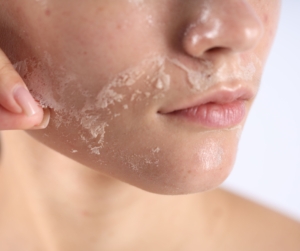
The most prevalent problem during winter. Cold temperatures can reduce the skin’s natural oil production, and indoor heating reduces the amount of the skin’s moisture. The signs are tightness, uneven texture, flaking, and occasionally itching.
Prevention Tips:
-
Apply an easy cleansing cleanser that is hydrating and doesn’t remove natural oils.
-
Apply a rich moisturizer right away after bathing to seal in the moisture.
-
Avoid taking long, hot showers because they can cause dryness to worsen.
-
Use a humidifier inside your home to keep skin hydrated.
-
Drink plenty of fluids to help maintain your hydration levels.
2. Eczema Flare-Ups
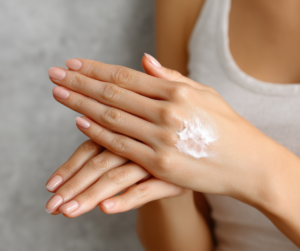
Eczema, sometimes referred to as atopic dermatitis, usually gets worse in winter because of dry air. Eczema sufferers may notice red, itchy, and inflamed patches that could become inflamed quickly. The cold weather and indoor heating can cause flare-ups.
Prevention Tips:
-
Apply moisturizers without fragrance at least three times per day.
-
Use mild, hypoallergenic cleaners to keep from causing irritation.
-
Wear comfortable, breathable clothing such as cotton to limit friction.
-
Avoid rubbing affected areas to stop infections.
-
Ask a dermatologist about medicated creams if flare-ups appear to be extreme.
3. Chapped Lips
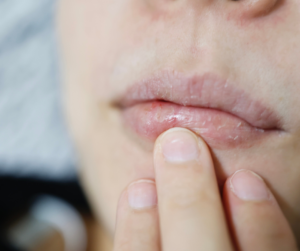
Lips that are chapped, also known as cheilitis, are caused when lips are dehydrated and start to dry, crack, or peel. Lips do not have oil glands, making them especially vulnerable during the winter months.
Prevention Tips:
-
Make sure you use a high-quality lip balm that contains shea butter, petroleum jelly, or beeswax.
-
Be careful not to lick your lips because saliva may cause dryness.
-
Keep hydrated by drinking plenty of water.
-
Use a gentle exfoliation brush or sugar to get rid of dead skin cells before applying balm.
4. Winter Acne
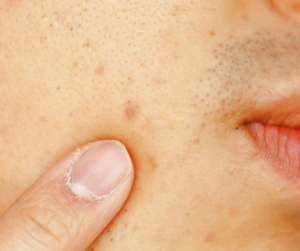
While acne is usually caused by oily skin, the winter months can also cause breakouts. Dryness can trigger the skin to overcompensate by producing excessive oil, resulting in blocked pores and acne. Furthermore, the use of heavy moisturizers may occasionally aggravate skin with acne.
Prevention Tips:
-
Keep a consistent routine for your skincare with a gentle cleanser.
-
Make sure to use non-comedogenic moisturizers in order to avoid the blockage of your pores.
-
Avoid harsh scrubs, as they could cause irritation to the skin.
-
Try a mild cream containing salicylic acid or benzoyl peroxide if the acne persists.
-
Cleanse your makeup brushes often to prevent the buildup of bacteria.
5. Itchy Skin (Pruritus)

Itchy skin is another frequent winter ailment resulted from dryness and low moisture. It can affect any part of the body. It can be worsened by hot showers, woolen clothes and harsh soaps.
Prevention Tips:
-
Apply moisturizer regularly with creams or ointments.
-
Opt for showers that are lukewarm instead of hot baths.
-
Avoid wearing fabrics that scratch directly on your skin.
-
Use soaps that are gentle and fragrance-free and laundry detergents.
-
Apply anti-itch creams with hydrocortisone, if necessary, after consulting with a physician.
6. Psoriasis Flare-Ups
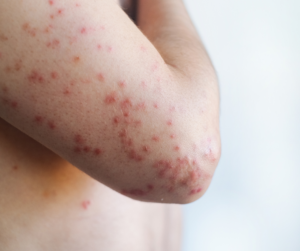
Psoriasis, an autoimmune chronic disease, is more likely to worsen during winter because of dry air and a lack of sunlight. These patches of red and scaly skin may be seen on the knees and elbows, as well as on the scalp and other parts of the body.
Prevention Tips:
-
Apply thick emollients and medicated creams as prescribed by the dermatologist.
-
Make use of a humidifier to keep the humidity in your home.
-
Avoid exposure to hot water and soaps that are harsh.
-
Keep your skin warm from cold temperatures by wearing gloves and scarves.
-
Make sure you follow a consistent treatment program and keep track of flare-ups carefully.
7. Cold Sores
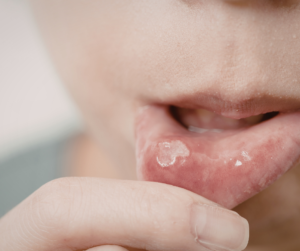
Cold sores, which are caused by the herpes simplex virus, could flare up in the winter months. Lips that are dry, frigid weather, and stress can cause outbreaks and lead to painful blisters on the mouth.
Prevention Tips:
-
Keep your lips moisturized with the use of a balm that protects.
-
Beware of sharing towels, utensils, or lip products during an outbreak.
-
Reduce stress by using relaxation methods like yoga or meditation.
-
Take antiviral medications or creams when you experience frequent outbreaks, after consulting with a doctor.
8. Skin Cracks and Fissures
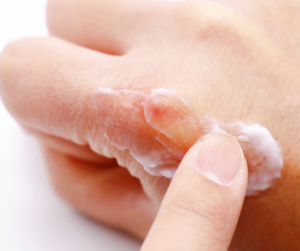
Severe dryness can cause painful cracks in the feet, hands, and heels. The cracks could cause bleeding and could be infected if not treated.
Prevention Tips:
-
Apply thick, creamy creams or petroleum jelly to the affected areas prior to bed.
-
Put on socks or gloves made of cotton after moisturizing to keep in the moisture overnight.
-
Avoid exposure for long periods to cold water.
-
Make use of gentle exfoliation to remove dead skin prior to applying emollients.
-
Get medical attention for any deep cracks that don’t heal.
9. Preventive Skincare Habits for Winter
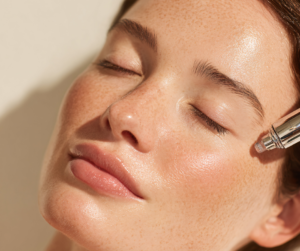
By taking a proactive stance, you will help avoid many winter skin issues:
-
The Layering of Your Skincare: Apply hydrating serums over moisturizers to increase the hydration of your skin.
-
Sun Protection: Even in winter, UV rays can damage skin. Apply sunscreen regularly on sun-exposed areas.
-
Avoid harsh products: Steer clear of harsh exfoliants, alcohol-based toners, or products with scents.
-
Hydrate your internal system: Drink at least 8-10 glasses of fluids a day.
-
Healthful Diet: Incorporate foods high in omega-3 fats and vitamins C, A, and E to promote the health of your skin.
-
Make Your House More Humid: Make use of a humidifier in order to ensure that the indoor air is moist and avoid dryness.
10. When to See a Dermatologist
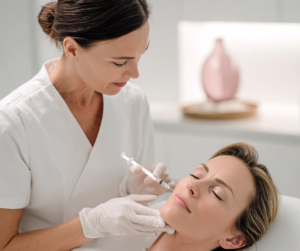
While the majority of winter skin concerns can be treated at home, certain skin conditions need professional attention:
-
Redness, scaling, or itching that doesn’t get better with moisturizing.
-
The pain or bleeding of cracks or fissures.
-
Eczema flare-ups or severe acne.
-
The frequent outbreaks of cold sores.
-
Signs of infection, such as pus, swelling, or discomfort in the affected regions.
A consultation with a dermatologist will ensure prompt treatment and avoid problems during the cold winter months.
Conclusion
Winter poses particular challenges to skin health; however, understanding the typical problems and taking preventive measures will aid in maintaining glowing skin. Hydration, gentle skin care, safeguarding from the harsh elements, and a healthy, balanced diet are essential to help prevent dryness, itching, and other skin problems. If you follow a consistent skincare routine and are aware of the changing seasons, you will be able to get glowing, healthy skin throughout winter.