

Understanding Cholesterol: The Good, the Bad, and How to Maintain Balance
Cholesterol is a fat-based substance that is naturally created by the liver. It can also be absorbed from animal-based diets such as eggs, meat, or dairy foods. As life is able to maintain the balance between dark and light as well, our bodies carry two kinds of cholesterol, one called “good” cholesterol (HDL) and the other “bad” cholesterol (LDL). HDL serves as a protection in the event that high levels of LDL could cause irreparable harm to the body over time. The positive side? The problem with high cholesterol can be controlled with a healthy diet and appropriate medical treatment.
High, Low, or Just Right? Understanding Your Cholesterol Levels
Knowing your cholesterol levels is crucial for preventing heart-related illnesses. A straightforward test for lipid profiles will help you determine your total cholesterol, LDL levels, HDL, and triglycerides.
Doctors usually suggest this test every 4 to 6 years for people over the age of 20. If you are already afflicted with risk factors or are taking medications, it is possible to have tests more frequently, initially after 1-3 months and then every 3-12 months.
Cholesterol Levels Chart
| Type of Cholesterol | Normal | Borderline High | High |
|---|---|---|---|
| Total Cholesterol (Adults) | Below 200 mg/dl | 200-239 mg/dl | Above 240 mg/dl |
| LDL Cholesterol | less than 100 mg/dl (or less than 70 mg/dl in high-risk patients) | 130-159 mg/dl | Above 160 mg/dl |
| Triglycerides | less than 149 mg/dl | 150-199 mg/dl | Above 200 mg/dl |
| HDL Cholesterol | 40 mg/dl (males), 50 mg/dl (females) | – | 60 mg/dl or more |
What Happens When Cholesterol Is High?
The presence of high cholesterol doesn’t cause symptoms by itself. Over time, the accumulation of LDL causes plaques to form within blood vessels, which can cause:
-
Atherosclerosis (narrowing of the arteries)
-
Blood pressure high
-
Peripheral arterial disease
-
Stroke
Monitoring your lipid levels through regular tests is one of the most efficient ways to stay clear of these problems.
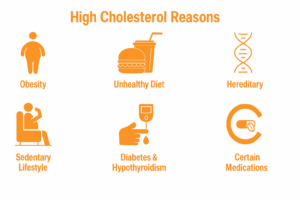
Why Does Cholesterol Become High?
It is typically a result of many variables, including:
1. Obesity or Being Overweight
Inactivity and lack of physical activity lead to fat accumulation within the body.
2. Unhealthy Diet
Foods that contain red meat, fried meals, and dairy products with full-fat dairy, as well as foods that are high in trans and saturated fats.
3. Lifestyle Habits
Alcohol and smoking can lower the good cholesterol (HDL) and cause damage to blood vessels.
4. Medical Conditions
Hypothyroidism, diabetes, and kidney and liver disorders.
5. Medications
Birth medications, corticosteroids, antipsychotics, and immunosuppressants can increase cholesterol.
6. Genetics (Familial Hypercholesterolemia)
Unusually high cholesterol levels at this age.
Complications of High Cholesterol
The inability to control cholesterol can result in:
-
Atherosclerosis, the accumulation of plaque, reduces blood flow to the heart.
-
Stroke: Blockage of blood supply to the brain, caused by LDL accumulation.
-
Xanthelasma: Yellow deposits that surround the eyelids.
-
Corneal Arcus: The cornea is surrounded by a gray-white ring.
-
Claudication is leg pain caused by low blood flow.
-
Erectile Dysfunction: The reduced flow of blood affects the sexual health of men.
-
In women: Extreme tiredness, swelling in the legs, and pain in the jaw, neck, and back.
Diet Guide: What to Eat for High Cholesterol
Foods That Help Lower LDL (Bad Cholesterol)
-
Fats that are good for you: avocado, almonds (walnuts and almonds), vegetable oils, and fatty fish such as tuna and salmon.
-
High-fiber food items: Rajma, chana, kidney beans, and moong (soluble fiber helps to eliminate cholesterol).
-
Vegetables: Okra (lady’s finger) is a fantastic source of insoluble fiber.
-
Fruits: Grapes, apples, and citrus fruits have pectin, which aids in lowering LDL.
Healthy snack ideas: steamed veggies, oatmeal, pumpkin seeds, fresh nuts, and fruits.
Foods to Avoid
-
Fruits are served alongside cream or syrups of heavy sugar.
-
The fried vegetables are delicious, as are the creamy, cheese-based dishes.
-
White pasta chips, chips, butter popcorn, and baked snacks like biscuits.
-
Red meat or processed meats.
-
Drinks with sugary alcohol and drinks.
-
High-fat or high-butter packaged foods.
Medical Treatment for High Cholesterol
A healthy diet and energetic lifestyle form the basis of controlling cholesterol.
However, the presence of underlying diseases (such as diabetes, hypertension, or heart disease) might require the use of lipid-lowering drugs, mostly statins, to treat:
-
Reduce LDL
-
Help prevent strokes and heart attacks.
-
Improve the overall cholesterol balance
When Should You See a Doctor?
Seek medical help if you experience:
-
Chest pain
-
Breathing difficulty
-
Dizziness
-
Legs or arms are numb.
-
Unusual heartbeat
Also, you should seek advice from a physician if routine tests reveal high cholesterol levels.
Conclusion
It is common for high cholesterol to develop silently. However, a timely approach to managing it will ensure your long-term health. With the proper direction in diet, exercise routine, and a doctor’s recommendation, the levels of cholesterol can be managed efficiently.
In Avasa Hospitals, we believe that every patient deserves individualized care.
Our expert cardiologists and general physicians, as well as our multidisciplinary staff, collaborate to identify high cholesterol before it becomes a problem and offer effective treatment plans to reduce the chance of suffering from stroke and heart attacks.
Be aware of your numbers, know the indications for danger, and then take the best health care options for your heart.