

Kidney stones are a common urinary tract condition that can cause significant discomfort and, in some cases, serious complications. They develop when certain minerals and salts in the urine become concentrated and form hard crystal-like deposits inside the kidneys.
Some kidney stones are small enough to pass naturally without treatment. Others may become lodged in the urinary tract, causing severe pain, urinary obstruction, infection, or damage to kidney function.
Recognizing the early symptoms of kidney stones and seeking timely medical care can help prevent complications and ensure the right treatment is provided.
What Are Kidney Stones?
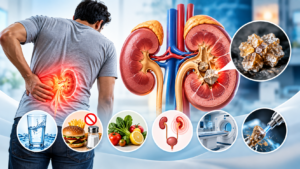
Kidney stones are solid deposits made from substances normally present in urine, including calcium, oxalate, uric acid, and other minerals.
When urine becomes highly concentrated, these substances may crystallize and gradually form stones. The stones can remain inside the kidney or move into the ureter, the tube that carries urine from the kidney to the bladder.
A stone that remains in the kidney may not cause symptoms. Pain usually begins when the stone moves or blocks the normal flow of urine.
Kidney stones can vary considerably in size. Some may be as small as a grain of sand, while others can grow large enough to require medical or surgical treatment.
Early Symptoms of Kidney Stones
The symptoms of kidney stones depend on the size, location, and movement of the stone.
One of the most common symptoms is sudden pain in the side or lower back, often below the ribs. This pain may gradually move toward the lower abdomen or groin as the stone travels through the urinary tract.
Common symptoms include:
- Severe pain in the side or back
- Pain radiating to the lower abdomen or groin
- Pain that comes and goes in waves
- Burning or discomfort while urinating
- Blood in the urine
- Frequent urge to urinate
- Passing small amounts of urine
- Cloudy or foul-smelling urine
- Nausea or vomiting
Some patients may also develop fever and chills, particularly if an infection is present.
Very small kidney stones may sometimes pass without causing noticeable symptoms.
When Should You Seek Medical Attention?
Kidney stone symptoms should not be ignored, especially when they are severe or persistent.
You should seek prompt medical care if you experience severe pain that does not improve, persistent vomiting, fever, chills, difficulty passing urine, visible blood in the urine, or symptoms of a urinary tract infection.
A kidney stone that causes urinary obstruction along with infection can require urgent treatment.
For individuals searching for the best hospital in Manikonda for kidney stone evaluation, it is important to choose a facility that offers specialist consultation, diagnostic imaging, laboratory testing, and appropriate urology care under one roof.
What Causes Kidney Stones?
Kidney stones usually develop due to a combination of factors rather than one single cause.
The most common contributing factors include dehydration, dietary habits, metabolic conditions, family history, and certain medical disorders.
Dehydration
Insufficient fluid intake is one of the most important risk factors for kidney stones.
When the body does not receive enough water, urine becomes concentrated. This increases the chance that minerals and salts will crystallize and form stones.
People living in hot climates or those who sweat excessively may be at greater risk if they do not replace lost fluids adequately.
High Salt Intake
A diet high in sodium may increase the amount of calcium excreted in the urine.
This can contribute to the development of certain types of kidney stones.
Reducing excessive intake of processed foods, packaged snacks, pickles, fast foods, and high-salt meals may help lower the risk.
Dietary Factors
High intake of animal protein, excessive sugar, and certain oxalate-rich foods may increase kidney stone risk in some individuals.
However, dietary recommendations should always be personalized because different types of stones require different preventive strategies.
Family History
People with a family history of kidney stones may have a higher risk of developing them.
Patients who have already experienced one kidney stone are also more likely to develop another in the future.
Certain Medical Conditions
Some medical conditions can increase the risk of kidney stones, including:
- Recurrent urinary tract infections
- Obesity
- Digestive disorders
- Metabolic abnormalities
- Certain inherited conditions
- Disorders affecting calcium or uric acid levels
Types of Kidney Stones
There are several different types of kidney stones.
Calcium Stones
Calcium stones are the most common type.
Many are made of calcium oxalate, although calcium phosphate stones can also occur.
Uric Acid Stones
Uric acid stones may develop when urine becomes persistently acidic.
They may be associated with dehydration, high animal-protein intake, or certain metabolic conditions.
Struvite Stones
Struvite stones are usually associated with urinary tract infections.
They can grow relatively quickly and may become large if left untreated.
Cystine Stones
Cystine stones are less common and are usually caused by a rare inherited condition that leads to excessive cystine in the urine.
Identifying the type of stone is important because it helps doctors recommend the right preventive measures.
How Are Kidney Stones Diagnosed?
A proper diagnosis helps determine the size, location, and severity of the kidney stone.
A doctor may recommend several investigations.
Urine Tests
Urine tests can detect blood, infection, and substances that may contribute to stone formation.
Blood Tests
Blood tests may help evaluate kidney function and identify abnormal levels of calcium, uric acid, or other substances.
Ultrasound
Ultrasound is commonly used to identify kidney stones and assess the urinary tract.
CT Scan
A CT scan may provide more detailed information about the size and location of a stone and whether it is causing obstruction.
Stone Analysis
If a kidney stone is passed naturally or removed during treatment, it may be analyzed to determine its composition.
This can help guide future prevention.
Treatment Options for Kidney Stones
Treatment depends on the size and location of the stone, the severity of symptoms, the presence of infection, and whether urinary flow is blocked.
Small Kidney Stones
Many small stones can pass naturally.
Treatment may include adequate hydration, pain-relieving medication, and observation.
In selected cases, a doctor may prescribe medication to relax the ureter and help the stone pass more easily.
Larger Kidney Stones
Larger stones or stones causing obstruction may require a procedure.
Common treatment options include:
Shock Wave Lithotripsy:
Shock waves are used to break the stone into smaller pieces that can pass through the urinary tract.
Ureteroscopy:
A thin instrument is passed through the urinary tract to locate and remove or break the stone.
Percutaneous Nephrolithotomy:
This procedure may be recommended for larger or more complex kidney stones. The stone is removed through a small opening made in the back.
The most appropriate treatment is selected after evaluating the patient’s symptoms, imaging results, stone size, and overall health.
How Can Kidney Stones Be Prevented?
Preventing recurrence is an important part of kidney stone management.
Some effective preventive measures include:
- Drinking adequate amounts of water
- Limiting excessive salt intake
- Maintaining a healthy body weight
- Avoiding excessive intake of animal protein
- Following a balanced diet
- Managing underlying medical conditions
- Attending regular follow-up appointments when stones are recurrent
Patients should not make extreme dietary changes without medical advice. For example, completely avoiding calcium-rich foods may not be appropriate for every patient.
People with recurrent kidney stones may require additional testing, including 24-hour urine analysis and metabolic evaluation.
When Should You Consult a Urologist?
A urologist should be consulted if you experience persistent side or back pain, blood in the urine, recurrent urinary infections, burning while urinating, difficulty passing urine, or repeated episodes of kidney stones.
Early consultation can help identify the problem before complications develop.
Patients searching for the best hospital in Manikonda should consider timely urology evaluation when kidney stone symptoms appear, especially if the pain is severe or accompanied by fever, vomiting, or urinary difficulty.
Early Diagnosis Can Make Treatment Easier
Kidney stones can be painful, but they are often manageable with timely diagnosis and appropriate treatment.
Ignoring symptoms may increase the risk of urinary obstruction, infection, or kidney-related complications.
If you are experiencing severe side pain, blood in the urine, painful urination, nausea, vomiting, or recurring urinary problems, a specialist evaluation can help determine whether a kidney stone is the cause.
Book Appointment
If you are experiencing symptoms of kidney stones or need a urology consultation, Book Appointment today for professional evaluation, diagnosis, and personalized treatment.
For patients searching online for the best hospital in Manikonda, choosing timely specialist care can help ensure that kidney stone problems are diagnosed and treated before they become more serious.