

Kidney stones are a common yet painful condition affecting millions of people worldwide and are a key concern in Nephrology. These hard minerals and salt deposits form inside the kidneys and can cause severe discomfort when passing through the urinary tract. Understanding the causes, symptoms, prevention strategies, and treatment options is essential for effectively managing kidney stones and avoiding recurrence.
What Are Kidney Stones?
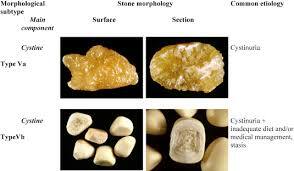
Kidney stones are solid crystals formed from substances in urine such as calcium, oxalate, uric acid, and cystine. Under normal conditions, urine contains chemicals that prevent crystal formation. However, when these substances become concentrated, stones can develop.
The size of kidney stones can vary from tiny grains to larger stones that may block the urinary tract. Smaller stones often pass naturally, while larger ones may require medical intervention.
Types of Kidney Stones
There are different types of kidney stones based on their composition:
- Calcium Stones: The most common type, usually formed from calcium oxalate
- Uric Acid Stones: Often linked to high-protein diets or dehydration
- Struvite Stones: Associated with urinary tract infections
- Cystine Stones: Rare and caused by genetic disorders
Identifying the type of stone helps in determining the right treatment and prevention strategy.
Causes of Kidney Stones
Several factors contribute to the formation of kidney stones, including:
1. Dehydration
Not drinking enough water leads to concentrated urine, increasing the risk of stone formation.
2. Dietary Factors
High intake of salt, sugar, and protein can increase the likelihood of developing stones.
3. Medical Conditions
Certain conditions, like hyperparathyroidism and urinary tract infections, can contribute to stone formation.
4. Family History
A genetic predisposition can increase your risk.
5. Obesity and Lifestyle
Lack of physical activity and obesity are also linked to kidney stones.
Symptoms of Kidney Stones
Kidney stones may not cause symptoms until they move within the kidney or enter the ureter. Common symptoms include:
- Severe pain in the lower back or side
- Pain during urination
- Blood in urine
- Frequent urge to urinate
- Nausea and vomiting
- Cloudy or foul-smelling urine
The pain associated with kidney stones is often described as one of the most intense forms of pain.
Diagnosis of Kidney Stones

Doctors use several methods to diagnose kidney stones:
- Urine Tests: To detect minerals and abnormalities
- Blood Tests: To check kidney function and calcium levels
- Imaging Tests: CT scan, ultrasound, or X-rays to locate stones
Early diagnosis helps in preventing complications and choosing the most effective treatment.
Treatment Options for Kidney Stones
Treatment depends on the size, type, and severity of the stones.
1. Conservative Management
Small stones often pass naturally with the following:
- Increased fluid intake
- Pain relievers
- Medications to relax the ureter
2. Medications
Doctors may prescribe medications to control pain, prevent infection, or dissolve certain types of stones.
3. Medical Procedures
- Extracorporeal Shock Wave Lithotripsy: Uses sound waves to break stones into smaller pieces
- Ureteroscopy: A thin scope is used to remove or break the stone
- Percutaneous Nephrolithotomy: Surgical removal of large stones
4. Surgery
In rare cases, surgery may be required for very large or complicated stones.
Prevention of Kidney Stones
Preventing kidney stones is often possible with simple lifestyle changes:
1. Stay Hydrated
Drink at least 2–3 liters of water daily to dilute urine.
2. Healthy Diet
- Reduce salt intake
- Limit animal protein
- Avoid excessive oxalate-rich foods like spinach and nuts
3. Maintain Healthy Weight
Regular exercise helps reduce the risk.
4. Medications for Prevention
Doctors may prescribe medications to prevent recurrence based on the type of stones.
Diet Tips for Kidney Stone Prevention
Diet plays a crucial role in preventing kidney stones:
- Include calcium-rich foods in moderation
- Avoid sugary drinks and sodas
- Increase intake of citrus fruits like lemon and orange
- Reduce processed foods
A balanced diet not only prevents stones but also improves overall kidney health.
Complications of Untreated Kidney Stones
If left untreated, kidney stones can lead to serious complications such as:
- Urinary tract blockage
- Recurrent infections
- Kidney damage
- Chronic kidney disease
Timely treatment is essential to avoid these risks.
When to See a Doctor
Seek immediate medical attention if you experience:
- Severe, persistent pain
- Fever with chills
- Difficulty passing urine
- Blood in urine
Early intervention can prevent complications and reduce pain.
Conclusion
Managing kidney stones effectively requires the right balance of awareness, timely diagnosis, and appropriate treatment. With proper hydration, dietary control, and medical guidance, most kidney stones can be treated successfully and even prevented from recurring. Ignoring symptoms or delaying treatment can lead to serious complications, making early intervention extremely important.
For advanced care and accurate diagnosis, choosing the best hospital is crucial. The right medical facility ensures access to modern technology, experienced specialists, and personalized treatment plans for better outcomes.
If you or your loved ones are experiencing symptoms of kidney stones, don’t delay. Contact us today to get expert consultation, proper diagnosis, and effective treatment for long-term kidney health.