

The age of 40 is often accompanied by subtle changes to our bodies, with knee pain being among the most frequent complaints. A lot of people experience pain in the early mornings, pain when going up and down stairs, or discomfort after sitting for a long time. Although these signs may appear to be a normal process of aging, knee pain should not be overlooked.
At Avasa Hospital, Hyderabad, orthopedic experts often see patients who believe knee pain is common after age 40 years old, only to find that early medical care could have prevented the risk of long-term joint injuries. This blog can help you decide how knee problems can be an indication of age or something else, and when you should seek out expert orthopedic medical attention.
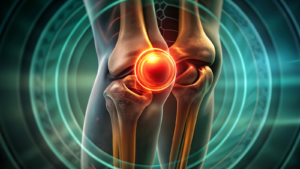
Is knee pain after 40 normal?
Knee pain after age 40 is not uncommon; however, it’s not always the case. As we age, the joint cartilage gets worn down, and muscle strength can decrease. However, persistent discomfort, swelling, or difficulty in getting the knee moving can point to an orthopedic problem.
Inattention to these warning signs could result in a worsening of joint issues. An early assessment by an orthopedic specialist in Avasa Hospital, Hyderabad, can aid in maintaining the mobility and health of the knee.
Common Reasons for Knee Pain after 40
Osteoarthritis
Osteoarthritis is among the most frequently cited causes of pain in the knee in people over 40 years of age. It occurs due to the progressive wear and tear of cartilage. This can cause stiffness, pain in movement, and discomfort at rest.
Meniscus Degeneration
As the meniscus gets older, it loses its flexibility and is more susceptible to tears or degeneration at times, even in simple movements such as turning or bending. The result can be acute pain, swelling, and restricted movement.
Tendon Strains or Ligament
Everyday routines, sudden movements, or improper exercises can stress the tendons and ligaments around the knee. This can result in tenderness, pain or a feeling of instability.
Excessive Body Weight
The extra weight of the body puts more pressure on knee joints, increasing damage to cartilage and increasing the chance of suffering from chronic knee pain.
Nutritional Deficiencies
A low level of vitamin D and calcium or vitamin B12 may cause muscle weakness, joint pain, and weakening of bone, especially in the 40s.
Lifestyle of Sedentary
Working for long hours, a lack of physical activity, and prolonged sitting reduce the strength of the muscles supporting the knee, which makes the knee joint more susceptible to injury and pain.
Signs that Shouldn’t Be Neglected
The pain in the knee could indicate an issue with a doctor if it is associated with:
- A stiffness in the morning that lasts longer than 15 minutes
- The swelling or warmth can be felt around the knee
- The pain can be felt while moving, climbing steps, or standing
- Grinding, clicking, or popping sound
- Achieving difficulty in straightening or bending the knee
- Knee instability or bending
If the symptoms persist, contacting an orthopedic physician at the Avasa Hospital, Hyderabad, is highly recommended.
Home Care Methods to Treat Knee Pain
The pain of a knee can be treated with simple home maintenance techniques:
Hot and cold Therapy
Warm compresses aid in reducing stiffness. Cold packs can be effective in controlling inflammation and swelling.
Light Physical Activity
Walking or swimming and strengthening exercises for the thigh muscles can help support joints in the knee.
Weight Management
Even small weight loss can greatly reduce stress on knee joints and reduce levels of pain.
Anti-Inflammatory Diet
Included are ginger and turmeric, along with leafy greens and omega-3-rich food items, which can help to reduce inflammation in a natural way.
Adequate Rest
Avoid overly straining your knees during pain episodes, and give yourself enough time to recover.
Although these methods may offer relief from knee pain, a persistent problem is a sign that you need a professional orthopedic assessment.
When should you consult an orthopedic specialist?
You should seek out orthopedic care for:
- Knee pain can last for more than the course of a few weeks
- It is a common occurrence of swelling.
- The process of transferring weight becomes more difficult.
- It can affect daily activities or even sleeping
- Home remedies do not bring relief
- The knee is locked or feels unsteady
An appointment at the right time in Avasa Hospital, Hyderabad, can prevent further joint injury and enhance the long-term outcome.
Why choose Avasa Hospital, Hyderabad, for knee care?
Avasa Hospital offers comprehensive orthopedic services that are patient-focused. It is home to the latest diagnostic facilities, expert orthopedic experts, physiotherapy services, and individualized treatment plans. From conventional management to more advanced procedures, treatment is customized to the patient’s specific needs and conditions.
Understanding the Difference Between Health Concern vs Aging
| Indicator | Normal Aging | You require medical attention |
|---|---|---|
| Mild stiffness following time off | Common | The stiffness continues for more than 20 minutes. |
| A few times, it can cause discomfort. | Normal | Pain lasting several weeks |
| No swelling | Normal | A swelling or warmth in the knee |
| All ranges of motion | Normal | Locking or restricted movement |
| Stable knee | Normal | Knee giving way |
Alternatives for Knee Pain Therapy
Based on the diagnosis, the orthopedic specialists from Avasa Hospital may recommend:
- Therapy to build muscles and increase joint stability
- Medicines to lessen inflammation and pain
- Injections to provide pain relief and joint support
- Minimally invasive treatments for ligament or meniscus injuries
- Lifestyle adjustments, including exercise advice and ergonomic guidance
Conclusion
The pain in the knee after 40 years of age shouldn’t be considered a normal occurrence of aging. Although some discomfort may be due to age, the persistent stiffness, pain, or swelling typically indicates an orthopedic issue. A timely evaluation and prompt treatment can help protect joints and help maintain mobility.
If knee pain has been affecting your daily activities and you are suffering from knee pain, the medical team for orthopedics at Avasa Hospital, Hyderabad can help you get moving with confidence towards a healthier and happier future.