

Pneumonia affects children around the world. Pneumonia occurs when an infection by bacteria, viruses, or fungi causes the lungs to become inflamed. This inflammation causes fluid or pus to accumulate in the air sacs, making it hard for the child to breathe. Parents and caregivers must understand the causes, symptoms, and treatment options of pneumonia. This is important because timely medical attention can prevent complications and speed up recovery.
What is Pneumonia?
Pneumonia can affect one or both lungs. Inflammation is triggered when germs infect the lungs. This leads to swelling and fluid accumulation. Pneumonia can be mild or life-threatening. The developing immune system of children under 5 years old, especially infants, makes them more susceptible to pneumonia.
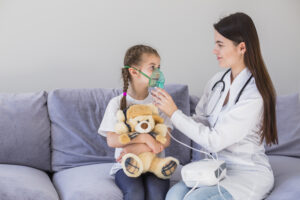
Causes and Treatment of Pneumonia among Children
Pneumonia is caused by a variety of infectious agents. Understanding the cause can help determine the best treatment.
1. Viral Infections
Most pneumonia cases in children are caused by viruses. Viruses that are common include:
-
Respiratory Synthetic Virus (RSV).
-
Influenza virus (flu)
-
Adenovirus
-
Parainfluenza virus
Viral pneumonitis often begins with the symptoms of a cold but can progress into breathing difficulties and a persistent cough.
2. Bacterial Infections
Viral pneumonia is more common than bacterial pneumonia. Bacteria that are common include:
-
Streptococcus pneumoniae
-
Staphylococcus aureus
-
Mycoplasma pneumoniae (more prevalent in older children)
Bacterial pneumonia often occurs suddenly and can cause high fevers, rapid breathing, and chest pain.
3. Fungal Infections
Children with weak immune systems are more susceptible to fungal pneumonia. It is caused by:
-
Histoplasma
-
Pneumocystis Jirovecii. Due to the severity of this type, it is important that you seek immediate medical attention.
4. Aspiration Pneumonia
It occurs when stomach contents, food, or liquids accidentally enter the lungs. This is more common among children who have swallowing problems or neurological conditions.
Factors that increase the risk of Pneumonia
Some children are more susceptible to developing pneumonia.
-
Premature birth
-
Low birth weight
-
Poor nutrition
-
Weak immune system
-
Exposure to tobacco smoke
-
Unsanitary or crowded living conditions
-
Chronic diseases such as asthma or congenital cardiac disease
Understanding the risk factors will help parents take preventive measures.
Common Symptoms of Pneumonia among Children
Pneumonia symptoms can vary according to the age of the child, the cause, and the severity of the infection. Some symptoms develop slowly, while others appear suddenly.
1. Fever
One of the first signs is a high fever. A higher fever is usually caused by bacterial pneumonia rather than viral pneumonia.
2. Cough
Common is a persistent cough, which may be dry or produce phlegm. The mucus can be yellow, green, or even a mixture of both.
3. Breathing Fast or Difficultly
You may notice that children breathe quickly or have difficulty breathing. You may notice:
-
Flaring nostrils
-
Grunting and breathing
-
Chest indrawing is the pulling in of the ribs during breathing.
4. Chest Pain
Children older than 10 years old may experience sharp chest pains, particularly when coughing or inhaling deeply.
5. Fatigue and weakness
Your child may seem unusually sleepy or tired.
6. Poor feeding or loss of appetite
Small children and infants can lose their appetites or refuse to eat.
7. Bluish Lips and Fingertips
This is an indication of severe pneumonia that requires immediate medical attention.
8. Vomiting and Diarrhea
Some children experience respiratory and gastrointestinal problems together.
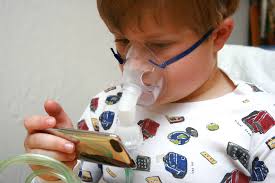
How is pneumonia diagnosed?
To diagnose pneumonia, doctors use a combination of medical history, physical exam, and tests.
1. Physical Examination
A pediatrician uses a stethoscope to listen to the child’s lungs. A wheezing or crackling sound can be an indication of infection.
2. Chest X-Ray
A chest X-ray can confirm the presence of pneumonia, as well as its location and severity.
3. Blood Tests
Blood tests can help distinguish between viral and bacterial infections and show the level of infection.
4. Pulse Oximetry
This test measures the oxygen levels in the blood to determine if your child is getting enough.
5. Sputum or Nasal Swab Tests
You can use these tests to determine the exact germ that is causing your illness.
Treatment of Pneumonia in Children
Treatment depends on the type of pneumonia and its severity.
1. Viral Pneumonia
The majority of cases can be treated by the patient at home using:
-
Rest – Adequate
-
Fluids are essential
-
Fever control using doctor-advised medications. Viral pneumonia does not respond to antibiotics.
2. Bacterial Pneumonia
Antibiotics are necessary for the treatment of bacterial pneumonia. The doctor will prescribe antibiotics based on what bacteria are likely to be causing the infection. The child should complete the entire course of antibiotics.
3. Hospitalization
Some children need hospitalization. This is especially true if they:
-
Infants are the ones who have to be protected
-
There is severe breathing difficulty
-
Oxygen levels low
-
The patient is unable to eat or drink normally
In the hospital, oxygen therapy, IV fluids, and stronger antibiotics may be used.
4. Supportive Care
Supportive care is provided regardless of the cause.
-
Keep your child hydrated
-
How to maintain a comfortable temperature in the room
-
Use of a humidifier for breathing relief
-
Resting your child properly is important
Complications of Pneumonia
Untreated pneumonia can cause complications, such as:
-
Pleural effusion is fluid around the lungs.
-
Lung abscess
-
Sepsis
-
Respiratory failure
Early treatment can help prevent these complications.
Prevention of Pneumonia in Children
1. Vaccination
Vaccines like the Hib, pneumococcal, and influenza vaccines significantly reduce the risk.
2. Good Hygiene
Handwashing regularly can reduce the spread and growth of germs.
3. Smoke Exposure: Avoid it!
Smoking cigarettes is harmful to the lungs of children.
4. Good Nutrition
A balanced diet helps to boost immunity and fight infection.
5. Breastfeeding
Breastfeeding gives infants essential antibodies, which reduce their risk of severe infections.
Conclusion
Children with pneumonia are at risk of serious respiratory problems that require immediate attention. Parents can identify early problems by knowing the symptoms and treatment options. They should seek medical attention immediately. Most children can return to their normal activities and recover completely with the right treatment and prevention. Early diagnosis and awareness are key to protecting your child’s health.