

Sleep plays a vital role in maintaining physical health, mental well-being, and overall quality of life. However, millions of people experience sleep-related breathing difficulties without realizing that they may have an underlying medical condition.
One such condition is Sleep Apnea, a common yet potentially serious sleep disorder characterized by repeated interruptions in breathing during sleep.
Although occasional snoring is usually harmless, persistent loud snoring accompanied by breathing pauses, choking sensations, or excessive daytime sleepiness may indicate obstructive sleep apnea.
Early recognition, proper diagnosis, and appropriate treatment can significantly improve sleep quality and reduce associated health risks.
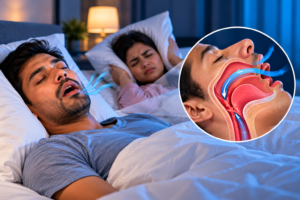
What Is Sleep Apnea?
Sleep apnea is a sleep-related breathing disorder in which breathing repeatedly stops or becomes significantly reduced while a person is asleep.
These breathing disturbances can lower oxygen levels and interrupt the normal sleep cycle, preventing the body from achieving adequate restorative sleep.
Sleep apnea is mainly classified into three types:
1. Obstructive Sleep Apnea (OSA)
The most common form of sleep apnea occurs when the muscles and soft tissues of the throat relax excessively, temporarily blocking the upper airway.
2. Central Sleep Apnea (CSA)
This form occurs when the brain does not consistently send appropriate signals to the muscles responsible for breathing.
3. Treatment-Emergent Central Sleep Apnea
This condition may develop in some individuals receiving positive airway pressure therapy for obstructive sleep apnea.
Common Symptoms of Sleep Apnea
Symptoms may vary depending on the type and severity of the condition.
Common warning signs include:
- Loud and persistent snoring
- Repeated pauses in breathing during sleep
- Sudden gasping or choking sensations
- Excessive daytime sleepiness
- Morning headaches
- Difficulty concentrating
- Frequent nighttime awakenings
- Dry mouth upon waking
- Irritability and mood changes
- Feeling tired despite adequate time spent sleeping
Not everyone who snores has sleep apnea, and some people with sleep apnea may not snore noticeably.
What Causes Obstructive Sleep Apnea?
Obstructive sleep apnea develops when the upper airway repeatedly becomes narrowed or blocked during sleep.
Several factors can contribute to this condition.
Obesity and Excess Body Weight
Excess fatty tissue around the neck and upper airway can increase the risk of airway obstruction during sleep.
Anatomical Airway Differences
Enlarged tonsils, a small jaw, or naturally narrow airways may contribute to breathing difficulties.
Increasing Age
The risk of obstructive sleep apnea generally increases with age.
Family History
Genetic and anatomical factors may increase the likelihood of developing sleep apnea.
Alcohol Consumption and Smoking
Alcohol can relax throat muscles, while smoking may contribute to inflammation and irritation of the upper airway.
Nasal Obstruction
Chronic nasal congestion and certain structural nasal abnormalities may worsen sleep-related breathing difficulties.
Health Complications Associated With Untreated Sleep Apnea
When left untreated, sleep apnea can affect multiple aspects of health.
High Blood Pressure: Repeated breathing interruptions can trigger physiological stress responses that contribute to elevated blood pressure.
Cardiovascular Problems: Obstructive sleep apnea is associated with an increased risk of heart rhythm disturbances, coronary artery disease, and stroke.
Type 2 Diabetes: Sleep apnea is linked to insulin resistance and may complicate diabetes management.
Reduced Cognitive Performance: Interrupted sleep can impair concentration, memory, and decision-making.
Daytime Fatigue: Persistent sleepiness can affect work performance, daily activities, and driving safety.
Emotional Well-Being: Poor sleep quality may contribute to irritability, mood disturbances, and reduced quality of life.
How Is Sleep Apnea Diagnosed?
Diagnosis usually begins with a comprehensive medical evaluation.
A healthcare professional may review the patient’s symptoms, medical history, sleep habits, and associated health conditions.
Depending on the clinical findings, additional investigations may be recommended.
Polysomnography (Sleep Study)
Polysomnography is a comprehensive sleep test that records breathing patterns, oxygen levels, heart rate, and other physiological measurements during sleep.
Home Sleep Apnea Testing
For selected adults with suspected obstructive sleep apnea, a home sleep apnea test may be recommended.
The appropriate diagnostic method depends on the patient’s symptoms and medical history.
Treatment Options for Sleep Apnea
Treatment is determined by the type and severity of sleep apnea, underlying causes, and individual patient requirements.
1. Lifestyle Modifications
Maintaining a healthy body weight, exercising regularly, avoiding alcohol before bedtime, and adopting appropriate sleeping positions may help improve obstructive sleep apnea.
2. Continuous Positive Airway Pressure (CPAP)
CPAP therapy delivers a continuous flow of pressurized air through a mask to help prevent airway collapse during sleep.
It is an established and effective treatment for many patients with obstructive sleep apnea.
3. Oral Appliance Therapy
Custom-fitted oral appliances may help keep the airway open by repositioning the lower jaw during sleep.
These devices may be suitable for selected patients following professional evaluation.
4. Surgical Interventions
Certain patients may benefit from surgical procedures designed to address anatomical factors contributing to airway obstruction.
Surgery is considered based on individual clinical findings and treatment needs.
Tips to Improve Sleep Quality
Healthy sleep habits can support overall well-being and complement prescribed sleep apnea treatment.
- Maintain a regular sleep schedule.
- Aim for adequate sleep each night.
- Maintain a healthy body weight.
- Avoid smoking.
- Limit alcohol consumption, particularly before bedtime.
- Reduce excessive caffeine intake late in the day.
- Create a comfortable sleeping environment.
- Seek medical advice for persistent snoring or breathing disturbances.
When Should You Consult a Doctor?
Medical consultation is recommended if you experience:
- Persistent loud snoring
- Breathing pauses noticed by a family member
- Frequent choking or gasping during sleep
- Excessive daytime sleepiness
- Unexplained morning headaches
- Persistent tiredness despite adequate sleep
Individuals with high blood pressure, cardiovascular conditions, or other relevant risk factors should discuss symptoms of suspected sleep apnea with their healthcare professional.
Conclusion
Sleep apnea is more than just a snoring problem. It is a serious sleep disorder that can affect your sleep quality, daily activities, and overall health. Early diagnosis and appropriate treatment can help prevent complications and improve quality of life.
If you experience persistent snoring, breathing difficulties during sleep, or excessive daytime fatigue, seeking timely medical attention is important.
Consulting experienced healthcare professionals at a Top Hospital in Manikonda can help you receive proper medical evaluation and personalized treatment guidance.
Take the first step towards better sleep and a healthier life. Book an Appointment today for professional medical consultation and appropriate care.
Your Health Matters. Better Sleep Begins with Better Care.