

Vitamin D deficiency is now an increasingly frequent health issue that affects people of all ages. Our modern lifestyle and lack of exposure to sunlight, a poor diet, working in a confined space, more screen time, and more are among the major causes of lower Vitamin D concentrations. A lot of people do not notice the signs in the beginning because they are often as if they were not, and are often misinterpreted as normal fatigue or weakness.
Vitamin D plays a crucial role in ensuring that bones are strong and in muscles, the immune system, and overall well-being. If the body doesn’t have sufficient Vitamin D in the body, it could cause a variety of emotional and physical issues. Recognizing the signs of trouble early will help avoid long-term problems and improve the health and quality of life.
What Is Vitamin D Deficiency?
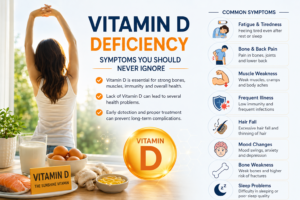
Vitamin D deficiency is a sign that the body doesn’t have sufficient Vitamin D to sustain normal bodily functions. Vitamin D aids the body take in calcium as well as phosphorus that are crucial for the health of teeth and bones.
Insufficient Vitamin D levels could weaken bones, diminish muscle strength, and alter immunity. In extreme circumstances, it could result in osteoporosis and regular infections, and persistent body pain.
Common Causes of Vitamin D Deficiency
A variety of factors increase the risk for Vitamin D deficiency.
Lack of Sunlight Exposure
The sun is the main sources in Vitamin D. The majority of your time indoors could decrease Vitamin D production within the skin.
Poor Diet
A diet deficient in vitamin D-rich foods could cause deficiencies.
Obesity
Body fat that is excessive can hinder the body’s capacity to utilize Vitamin D properly.
Kidney or Liver Disorders
Certain medical conditions can affect Vitamin D absorption and metabolism.
Aging
Adults who are older often have less Vitamin D production capacity.
1. Constant Fatigue and Tiredness
The most commonly reported Vitamin D deficiency symptom is constant fatigue. A lot of people experience fatigue even when they get adequate rest and rest.
The symptoms could include:
- Energy levels are low.
- A feeling of weakness throughout the day
- It is difficult to concentrate
- Feeling physically exhausted
A persistent tiredness that does not have a specific cause should not be overlooked.
2. Bone Pain and Back Pain
Vitamin D is crucial to bone health. Insufficient Vitamin D concentrations can lead to discomfort in joints and bones.
Common symptoms are:
- Lower back discomfort
- Leg discomfort
- Joint discomfort
- Muscle pains
Many teenagers and office workers suffer from back pain as a result of Vitamin D insufficiency.
3. Muscle Weakness
Vitamin D helps maintain proper muscle function. Deficiency could cause weakening of muscles and a decrease in physical strength.
People may notice:
- The stairs are difficult to climb.
- The grip strength is weak.
- Muscle cramps
- Body pain that is frequent
A deficiency of severe severity can raise the chance of falling among older adults.
4. Frequent Illness and Infections
Vitamin D plays a crucial role in the immune system’s function. Insufficient levels of vitamin D can compromise immunity and make the body susceptible to infection.
Common indications include:
- Cough and colds that are frequent
- Recurrent fever
- Slow recovery from the illness
- More infections
A lack of immune function could indicate an underlying Vitamin D deficiency.
5. Hair Fall
The excessive loss of hair can be caused by lower Vitamin D concentrations. Vitamin D assists in maintaining the health of hair follicles.
The symptoms could include:
- Hair loss that is sudden and unexpected
- Increased hair loss
- Weak hair growth
Hair loss due to nutritional deficiencies must be analyzed medically.
6. Mood Changes and Depression
Vitamin D deficiency could also influence mental health. There are studies that suggest a connection to lower Vitamin D levels and mood issues.
Common symptoms are:
- The mood swings
- Anxiety
- Depression
- Insufficiency of motivation
People who suffer from prolonged Vitamin D deficiency could suffer from emotional health issues.
7. Slow Wound Healing
Vitamin D aids in healing and tissue repair. A lack of vitamin D may delay healing after surgery or an injury.
This is a particularly important symptom in diabetics and elderly adults.
8. Bone Weakness and Fractures
Long-term Vitamin D deficiency may reduce bone strength and increase the risk of fractures.
Severe deficiency may cause:
- Osteoporosis
- Fragile bones
- Stress fractures
- Reduced bone density
Maintaining good Vitamin D levels is vital to ensure a healthy bone structure for the rest of your life.
9. Excessive Sweating
Unusual sweating, particularly around the forehead, can often be due to lower Vitamin D amounts.
While sweating may occur due to various reasons, the issue of persistent sweating with weakness needs to be assessed.
10. Difficulty Sleeping
Certain people suffering from Vitamin D deficiency experience poor quality sleep and irregular sleeping patterns.
It could be a sign of:
- It is difficult to fall asleep
- Sleep interruptions
- Daytime tiredness
Healthful Vitamin D levels could help improve sleep quality.
How Is Vitamin D Deficiency Diagnosed?
Doctors typically diagnose Vitamin D deficiency through a blood test.
Common tests are:
- Vitamin D blood test
- Calcium levels
- Test of bone density
- Kidney function tests
Early detection can help avoid complications.
Treatment for Vitamin D Deficiency
The severity of treatment will depend on the extent of the problem.
The most commonly used treatment options include:
- Vitamin D supplements
- Calcium supplements
- Sunlight exposure
- Healthy diet changes
- Regular exercise
Vitamin D-rich foods include:
- Egg yolk
- Fatty fish
- Milk products
- Mushrooms
- Fortified cereals
Doctors may suggest a dosage based on results from blood tests.
How to Prevent Vitamin D Deficiency
Simple lifestyle changes can help maintain healthy Vitamin D levels.
Prevention Tips
- Take advantage of the morning sun
- Eat nutritious foods
- Exercise regularly
- Maintain a healthy body weight
- Have regular health checks
Prevention is crucial to ensure long-term health and well-being.
When to See a Doctor
Chronic fatigue and bone pain, muscular weakness, hair loss, or frequent infections shouldn’t be dismissed. A medical examination at an early stage can help determine vitamin D deficiency before it creates serious health problems.
If you’re suffering from symptoms due to Vitamin D deficiency, speaking with an orthopedic expert or an expert in internal medicine will assist in determining the cause and an effective treatment.
Conclusion
Vitamin D deficiency is becoming more common due to lifestyle changes and reduced sunlight exposure. Symptoms like fatigue, body pain, muscle weakness, hair fall, and low immunity can affect overall health and quality of life. Recognizing the warning signs early and seeking proper medical care can help prevent long-term complications.
If you are looking for the best hospital for vitamin D deficiency treatment, bone health care, or orthopedic care, it is important to contact experienced medical specialists for accurate diagnosis and advanced treatment.