

Hypertension, commonly known as high blood pressure, is one of the most common chronic health conditions affecting millions of people worldwide. It is often called a “silent killer” because many individuals may not experience noticeable symptoms until serious complications develop. Understanding hypertension and its long-term risks is essential for maintaining heart health, preventing life-threatening complications, and improving overall well-being.
Blood pressure refers to the force exerted by blood against the walls of the arteries as the heart pumps blood throughout the body. When this pressure remains consistently higher than normal, it can damage blood vessels and vital organs over time. Early diagnosis, lifestyle modifications, and proper medical treatment play a major role in controlling hypertension and reducing health risks.
What Is Hypertension?
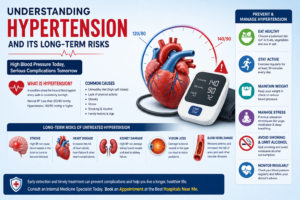
Hypertension is a condition in which blood pressure levels remain consistently elevated over a prolonged period. Blood pressure is measured using two numbers:
- Systolic pressure: Pressure when the heart beats
- Diastolic pressure: Pressure when the heart rests between beats
Normal blood pressure is generally around 120/80 mmHg. Hypertension is typically diagnosed when readings consistently remain above 140/90 mmHg or according to updated clinical guidelines.
Understanding hypertension and its long-term risks helps individuals recognize the importance of regular blood pressure monitoring and preventive healthcare.
Types of Hypertension
Primary Hypertension
Primary hypertension develops gradually over many years without a specific identifiable cause. It is the most common type and is often associated with lifestyle factors and genetics.
Secondary Hypertension
Secondary hypertension occurs due to underlying medical conditions such as:
- Kidney disease
- Thyroid disorders
- Hormonal imbalances
- Sleep apnea
- Certain medications
Treating the underlying cause can often help control blood pressure levels.
Causes of Hypertension
Several factors contribute to the development of hypertension.
Unhealthy Diet
High salt intake, excessive processed foods, and unhealthy eating habits can increase blood pressure.
Lack of Physical Activity
A sedentary lifestyle contributes to obesity and poor cardiovascular health.
Obesity
Excess body weight places additional strain on the heart and blood vessels.
Stress
Chronic stress may contribute to elevated blood pressure levels.
Smoking and Alcohol Consumption
Tobacco use and excessive alcohol intake increase the risk of hypertension and cardiovascular disease.
Family History
Genetics may increase susceptibility to high blood pressure.
Aging
Blood vessels naturally lose flexibility with age, increasing the risk of hypertension.
Understanding hypertension and its long-term risks can encourage individuals to adopt healthier lifestyle habits before complications occur.
Symptoms of Hypertension
Many people with hypertension experience no symptoms, especially during the early stages. However, severely elevated blood pressure may cause:
- Headaches
- Dizziness
- Blurred vision
- Chest pain
- Shortness of breath
- Fatigue
- Nosebleeds
- Irregular heartbeat
Because symptoms may not appear until complications develop, regular health screenings are extremely important.
How Hypertension Affects the Body
Persistent high blood pressure damages blood vessels and vital organs over time. Understanding hypertension and its long-term risks helps explain why proper management is essential.
Heart Damage
Hypertension forces the heart to work harder to pump blood, increasing the risk of:
- Heart attack
- Heart failure
- Enlarged heart
- Coronary artery disease
Brain Complications
Uncontrolled blood pressure increases the risk of stroke and cognitive decline.
Kidney Damage
High blood pressure can damage the kidney blood vessels and reduce kidney function over time.
Eye Problems
Hypertension may damage blood vessels in the retina, affecting vision.
Blood Vessel Damage
Persistent pressure weakens artery walls and increases the risk of aneurysms and vascular disease.
Long-Term Risks of Hypertension
Understanding hypertension and its long-term risks is critical because untreated hypertension can lead to serious and potentially life-threatening complications.
Stroke
Hypertension is one of the leading causes of stroke. Damaged blood vessels in the brain may rupture or become blocked.
Heart Attack
Narrowed or damaged arteries reduce blood flow to the heart, increasing the risk of heart attack.
Heart Failure
The heart may weaken over time due to constant strain caused by elevated blood pressure.
Chronic Kidney Disease
Hypertension is a major cause of kidney failure and long-term kidney damage.
Vision Loss
Damage to the eye’s blood vessels may lead to vision impairment or blindness.
Peripheral Artery Disease
Reduced blood circulation to the limbs may cause pain and mobility issues.
Cognitive Decline and Dementia
Long-term hypertension may affect memory and cognitive function by reducing blood flow to the brain.
These complications highlight the importance of early diagnosis and effective blood pressure management.
Risk Factors for Hypertension
Several factors increase the likelihood of developing hypertension.
Poor Diet
Diets high in sodium and unhealthy fats contribute to elevated blood pressure.
Physical Inactivity
Lack of exercise negatively affects heart and vascular health.
Excess Weight
Obesity significantly increases cardiovascular strain.
Smoking
Nicotine narrows blood vessels and raises blood pressure.
Excessive Alcohol Intake
Heavy alcohol consumption can increase blood pressure levels.
Diabetes
People with diabetes are at higher risk of hypertension and cardiovascular disease.
Stress and Anxiety
Long-term stress may contribute to blood pressure elevation.
Diagnosis of Hypertension
Hypertension is diagnosed through regular blood pressure measurements. Doctors may recommend:
- Multiple blood pressure readings
- Home blood pressure monitoring
- Blood tests
- Urine tests
- ECG or echocardiogram
- Kidney function evaluation
Early diagnosis helps prevent complications and supports timely treatment.
Treatment for Hypertension
Managing hypertension usually involves a combination of lifestyle modifications and medications.
Lifestyle Changes
Healthy habits play a major role in blood pressure control.
Balanced Diet
A heart-healthy diet rich in fruits, vegetables, whole grains, and lean proteins supports cardiovascular health.
Reduced Salt Intake
Limiting sodium consumption helps lower blood pressure.
Regular Exercise
Physical activity strengthens the heart and improves circulation.
Weight Management
Maintaining a healthy weight reduces strain on the cardiovascular system.
Stress Management
Relaxation techniques and adequate sleep help improve overall health.
Avoiding Tobacco and Excess Alcohol
Reducing harmful habits lowers cardiovascular risks.
Medications for Hypertension
Doctors may prescribe medications such as:
- ACE inhibitors
- Beta blockers
- Calcium channel blockers
- Diuretics
- Angiotensin receptor blockers
Medication selection depends on the patient’s overall health and blood pressure severity.
Importance of Regular Monitoring
Blood pressure can fluctuate over time, making regular monitoring essential. Individuals with hypertension should:
- Attend regular medical checkups
- Monitor blood pressure at home
- Follow medication schedules
- Maintain healthy lifestyle habits
Understanding hypertension and its long-term risks encourages long-term commitment to treatment and prevention.
Preventing Hypertension
Prevention is one of the most effective ways to reduce health complications.
Eat a Healthy Diet
Focus on nutrient-rich foods and reduce processed food intake.
Stay Physically Active
Regular exercise improves cardiovascular health.
Maintain a Healthy Weight
Weight control significantly lowers hypertension risk.
Manage Stress
Healthy coping techniques improve mental and physical well-being.
Avoid Smoking and Excess Alcohol
Eliminating harmful habits supports long-term heart health.
Get Regular Health Screenings
Routine checkups help detect elevated blood pressure early.
Hypertension and Lifestyle Diseases
Hypertension is closely linked with lifestyle-related conditions such as:
- Diabetes
- Obesity
- High cholesterol
- Heart disease
Managing these conditions together helps improve overall health outcomes.
Importance of Early Medical Care
Ignoring high blood pressure can lead to severe complications that affect quality of life. Early medical care helps prevent permanent organ damage and supports long-term health.
Individuals with family history, obesity, diabetes, or unhealthy lifestyle habits should prioritize regular health evaluations and blood pressure monitoring.
Conclusion
Understanding hypertension and its long-term risks is important for preventing serious health complications such as heart disease, stroke, kidney damage, and vision problems. Since hypertension often develops without noticeable symptoms, regular health checkups, early diagnosis, and proper treatment are essential for maintaining long-term health and improving quality of life.
Adopting a healthy lifestyle, monitoring blood pressure regularly, and following medical advice can help control hypertension effectively. If you are searching for the best hospitals near me for hypertension management and internal medicine care, consulting experienced specialists can help you receive an accurate diagnosis and advanced treatment. Book an appointment today for expert medical guidance, preventive care, and long-term blood pressure management.