

Menstrual health is an important part of every woman’s overall well-being. A regular menstrual cycle is often a sign of good reproductive health, but many women experience menstrual disorders at some point in their lives. While occasional changes in the menstrual cycle may be normal due to stress or lifestyle changes, persistent abnormalities should never be ignored.
Menstrual disorders can affect women of all ages, from teenagers experiencing their first periods to women approaching menopause. These conditions can cause discomfort, disrupt daily life, affect fertility, and sometimes indicate underlying health problems that require medical attention. Understanding the symptoms, causes, and treatment options for common menstrual disorders can help women seek timely care and maintain better reproductive health.
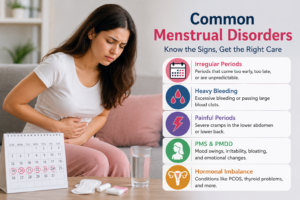
What Are Menstrual Disorders?
Menstrual disorders are conditions that affect the normal menstrual cycle. They may change the timing, frequency, duration, or amount of menstrual bleeding. Some women experience severe pain, while others may have irregular or missed periods. Although some menstrual changes are temporary, persistent symptoms should be evaluated by a gynecologist.
A healthy menstrual cycle typically occurs every 21 to 35 days, lasts 2 to 7 days, and involves moderate blood flow. Any significant changes from your usual cycle may indicate a menstrual disorder.
Common Types of Menstrual Disorders
Irregular Periods
Irregular periods are one of the most common menstrual problems. A woman may have periods that come too early, too late, or vary significantly each month.
Common causes include hormonal imbalance, polycystic ovary syndrome (PCOS), thyroid disorders, stress, sudden weight changes, excessive exercise, and certain medications.
Women experiencing persistent irregular periods should seek medical evaluation to identify the underlying cause.
Heavy Menstrual Bleeding (Menorrhagia)
Heavy menstrual bleeding is characterized by excessive blood loss during menstruation. Women with this condition may need to change sanitary pads or tampons every hour, pass large blood clots, or experience bleeding that lasts longer than seven days.
Heavy bleeding can lead to iron-deficiency anemia, causing fatigue, weakness, and dizziness. Common causes include uterine fibroids, hormonal imbalance, adenomyosis, bleeding disorders, and certain medications.
Painful Periods (Dysmenorrhea)
Mild menstrual cramps are common, but severe pain that interferes with daily activities may indicate dysmenorrhea.
Symptoms include severe lower abdominal pain, back pain, nausea, vomiting, headaches, and fatigue. Conditions such as endometriosis, pelvic inflammatory disease, fibroids, and adenomyosis can contribute to severe menstrual pain.
Proper diagnosis is important because treatment depends on the underlying cause.
Missed Periods (Amenorrhea)
Amenorrhea refers to the absence of menstrual periods. Primary amenorrhea occurs when menstruation has not started by age 15, while secondary amenorrhea occurs when regular periods stop for three months or more.
Pregnancy is the most common cause, but thyroid disorders, PCOS, stress, low body weight, excessive exercise, and hormonal imbalances can also lead to missed periods.
Premenstrual Syndrome (PMS)
Premenstrual Syndrome (PMS) affects many women in the days before menstruation begins. Symptoms may include mood swings, bloating, breast tenderness, headaches, fatigue, irritability, food cravings, and anxiety.
Most PMS symptoms improve once menstruation starts, but lifestyle changes and medical treatment may help women with severe symptoms.
Premenstrual Dysphoric Disorder (PMDD)
PMDD is a more severe form of PMS that significantly affects emotional and mental well-being. Women may experience severe depression, anxiety, mood changes, difficulty concentrating, and sleep disturbances.
PMDD requires professional medical evaluation and treatment to improve quality of life.
Bleeding Between Periods
Bleeding or spotting between menstrual cycles is not considered normal and should always be evaluated by a healthcare professional.
Possible causes include hormonal imbalance, cervical polyps, uterine fibroids, infections, birth control pills, pregnancy-related complications, or other gynecological conditions.
What Causes Menstrual Disorders?
Menstrual disorders can develop for many reasons. Hormonal imbalance is one of the most common causes, but several medical conditions may also affect the menstrual cycle.
Common causes include:
- Polycystic Ovary Syndrome (PCOS)
- Thyroid disorders
- Uterine fibroids
- Endometriosis
- Adenomyosis
- Pregnancy
- Pelvic inflammatory disease
- Chronic stress
- Obesity
- Rapid weight loss
- Eating disorders
- Menopause
- Certain medications
Identifying the underlying cause is essential for choosing the right treatment.
Risk Factors
Certain factors increase the risk of menstrual disorders, including:
- Family history
- Obesity
- Diabetes
- Thyroid disease
- Smoking
- Poor nutrition
- Chronic stress
- Excessive physical activity
- Hormonal disorders
Women with these risk factors should monitor their menstrual cycles and seek medical advice if symptoms persist.
When Should You See a Doctor?
Many women ignore menstrual problems, assuming they are normal. However, you should consult a gynecologist if you experience:
- Heavy bleeding every month
- Severe menstrual pain
- Missing periods for more than three months
- Bleeding between periods
- Periods lasting longer than seven days
- Very irregular menstrual cycles
- Symptoms of anemia such as weakness and dizziness
- Difficulty becoming pregnant
- Bleeding after menopause
Early diagnosis helps prevent complications and improves treatment outcomes.
How Are Menstrual Disorders Diagnosed?
A gynecologist will review your medical history and menstrual pattern before recommending diagnostic tests.
These may include:
- Physical examination
- Pelvic examination
- Blood tests
- Hormone level testing
- Pregnancy test
- Ultrasound scan
- Pap smear
- Hysteroscopy
- MRI scan (when required)
The choice of investigations depends on the patient’s symptoms and suspected condition.
Treatment Options for Menstrual Disorders
Treatment varies depending on the underlying cause and severity of symptoms.
Medical treatment may include pain-relieving medications, hormonal contraceptives, progesterone therapy, thyroid medications, and iron supplements for women with anemia.
Lifestyle changes also play an important role. Maintaining a healthy weight, eating a balanced diet, exercising regularly, managing stress, and getting adequate sleep can improve menstrual health.
Some women may require minimally invasive procedures such as hysteroscopy or endometrial ablation, while others with fibroids, endometriosis, or uterine abnormalities may benefit from surgery.
Tips for Maintaining Healthy Menstrual Health
Women can support healthy menstrual cycles by:
- Maintaining a balanced diet
- Staying physically active
- Drinking enough water
- Managing stress effectively
- Getting sufficient sleep
- Avoiding smoking
- Tracking menstrual cycles regularly
- Scheduling routine gynecological check-ups
Healthy lifestyle habits can reduce the risk of several menstrual disorders and improve overall reproductive health.
Conclusion
Menstrual disorders are common, but they should never be ignored when symptoms become severe, persistent, or affect your daily life. From irregular periods and heavy bleeding to painful cramps and missed cycles, recognizing the warning signs early allows for timely diagnosis and effective treatment.
If you are experiencing ongoing menstrual problems, consult an experienced gynecologist for a comprehensive evaluation and personalized treatment plan. Choosing the Best Hospital in Hyderabad ensures access to advanced diagnostic facilities and comprehensive women’s healthcare services. Book an Appointment today to receive expert care, accurate diagnosis, and the right treatment for better reproductive health and overall well-being.