

Diabetes is now among the most prevalent illnesses that affect everyone of all ages. Changes in food habits, inactivity, stress, obesity, and genetic issues are leading to a rapid rise in cases of diabetes across India. A lot of people don’t realize that they are suffering from diabetes until symptoms get severe or when problems begin to impact daily life.
Recognizing the symptoms of diabetes and preventing them is crucial to maintaining healthy blood sugar levels as well as maintaining the overall health. Early diagnosis, healthy habits of living, and consistent medical treatment will help you manage diabetes efficiently and avoid serious complications.
What is diabetes?
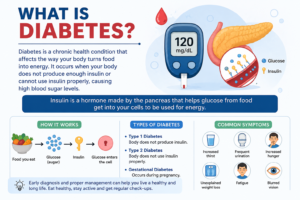
The condition of diabetes is one where the body is incapable of properly controlling the levels of blood sugar. The blood sugar, also referred to as glucose, serves as the principal supply of fuel to our body. Insulin is a hormone created by the pancreas that helps glucose move from the bloodstream to the cells.
If the body is unable to make enough insulin or utilize insulin correctly, glucose remains in the bloodstream and can cause the blood sugar levels to rise.
Types of Diabetes
There are various types that are a result of this disease. Each comes with distinct causes and treatment methods.
Type 1 Diabetes
Type 1 diabetes is a condition that occurs because the immune system attacks the pancreatic cells that produce insulin. It typically occurs in young people and children and requires ongoing insulin treatment.
Type 2 Diabetes
Type 2 diabetes is by far the most prevalent form and is usually linked to obesity, unhealthy diet, physical inactivity, as well as familial background. When this happens, the body is unable to produce insulin.
Gestational Diabetes
Gestational diabetes is a condition that occurs during pregnancy but usually goes away following childbirth. However, it can increase the chance of developing Type 2 diabetes.
Common Diabetes Symptoms
Early detection of symptoms can assist in the timely diagnosis and treatment.
Frequent symptoms include:
- An excessive thirst
- Frequent urination
- Food insecurity is increasing
- Sudden weight loss
- Constant tiredness
- Vision blurred
- The wounds heal slowly.
- Numerous infections
- Dry mouth
- A tingling sensation is felt in the feet and hands
The symptoms can develop slowly and are usually not noticed until the beginning stages.
Early Warning Signs of Diabetes
There are people who experience a few subtle signs prior to the diagnosis of diabetes.
Important Early Signs:
- Dark skin patches that are dark around the neck and underarms
- More frequent cravings for sugar
- Feeling tired after meals
- It is difficult to concentrate
- Frequent headaches
- Infections of the skin that have recurred
Being aware of the symptoms of diabetes and preventative measures can assist people in seeking medical treatment before complications occur.
Causes of Diabetes
Many factors can be responsible for the progression of the condition of diabetes.
Common Causes Include the Following:
- Obesity
- Family with a history of diabetes
- Inactivity and lack of physical fitness
- A high sugar intake
- Unhealthy eating habits
- Stress
- Hormonal imbalance
- High blood pressure
- Poor sleep quality
Lifestyle choices play a key part in the development of Type 2 diabetes.
Risk Factors
Certain populations are at a greater risk of getting diabetes.
High-Risk Individuals:
- Over 40-year-olds
- People who are overweight
- People who lead sedentary lives
- High-cholesterol patients
- Women who have a family pregnancy history or a history of gestational diabetes
- People with a family history of diabetes
Regular health checks are essential for people at risk of developing a health problem.
Complications of Uncontrolled Diabetes
When blood sugar levels are uncontrolled for a prolonged time, diabetes may cause damage to various organs of the body.
Possible Complications:
- Heart disease
- Kidney disease
- Problems with vision
- Nerve damage
- Stroke
- The foot ulcers
- High blood pressure
- An increased risk of contracting infections
Proper management of diabetes can lower the risk of serious issues.
How Diabetes is Diagnosed
Doctors make use of blood tests to determine if you have diabetes and to monitor sugar levels.
Common Diagnostic Tests:
- Fasting blood sugar test
- HbA1c test
- Random blood sugar test
- Test for oral glucose tolerance
Screening routinely helps identify the early signs of diabetes.
Diabetes Symptoms and Prevention Through a Healthy Diet
A healthy diet is essential to control the blood sugar level.
Recommended Foods:
- Green leafy vegetables
- Whole grains
- Fresh fruits, in moderation
- Fiber-rich foods
- Lean proteins
- Nuts and seeds
Foods to Avoid:
- Drinks that contain sugar
- Desserts and sweets
- Fried food
- White bread
- Processed snack foods
- Fast food
Healthy blood sugar control as well as overall health.
Importance of Regular Exercise
Physical exercise improves insulin sensitivity and also helps maintain the weight of a healthy body.
Helpful Exercises:
- Walking
- Jogging
- Cycling
- Yoga
- Swimming
- Training for strength
Regular exercise can also boost heart health and ease stress.
Weight Management and Diabetes Prevention
Weight loss that is healthy and balanced is among the most effective methods to reduce the risk of developing the development of diabetes. Even a small reduction in weight can boost the function of insulin and reduce blood sugar levels.
Obese people have a higher chance of being diagnosed with Type 2 diabetes.
Stress Management and Sleep
Stress hormones can raise blood sugar levels and can affect the insulin response.
Healthy habits include the following:
- A good night’s sleep
- Meditation
- Relaxation techniques
- Proper meal timings
- Reduce the time you spend on screens before bed.
Good mental health supports better diabetes management.
Can Diabetes Be Prevented?
Type 2 diabetes can often be avoided through a well-balanced lifestyle and routine monitoring of your medical condition.
Prevention Tips:
- Take balanced meals
- Exercise regularly
- Maintain a healthy body weight
- Make sure to drink plenty of water
- Do not smoke
- Reduce alcohol consumption
- Monitor blood sugar levels
- Be able to manage stress efficiently
The awareness of diabetes-related symptoms and the prevention of them helps people make better choices and decrease the likelihood of future health risk.
When Should You Consult a Doctor?
Medical attention is required when symptoms persist or get worse.
Consult a Doctor If You Experience the Following:
- Frequent urination
- A lot of thirst
- Sudden fatigue
- Vision blurred
- Slow healing of wounds
- Infections that are frequent
Early treatment can improve the health of patients and prevent chronic complications.