

Feeling tired after a busy day or a sleepless night is normal. However, experiencing constant exhaustion, low energy, or unexplained weakness despite adequate rest may indicate an underlying health concern.
Persistent fatigue can affect concentration, productivity, emotional well-being, and everyday activities. While demanding schedules, poor sleep, and stress are common contributors, ongoing tiredness may also be associated with medical conditions such as anemia, thyroid disorders, diabetes, nutritional deficiencies, or sleep-related problems.
Understanding the possible causes of constant fatigue is the first step toward identifying the problem and receiving appropriate treatment.
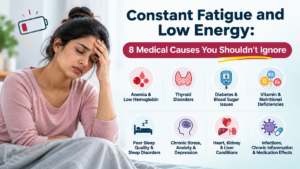
Understanding Fatigue: When Tiredness Becomes a Health Concern
Fatigue is more than simply feeling sleepy. It describes a persistent lack of physical or mental energy that can make routine activities difficult.
Unlike ordinary tiredness, which generally improves with rest, persistent fatigue may continue even after a full night’s sleep.
Some individuals experience physical exhaustion, while others notice difficulty concentrating, reduced motivation, or mental fatigue.
Occasional tiredness is usually not concerning. However, fatigue lasting several weeks, interfering with daily activities, or occurring alongside other unexplained symptoms deserves medical attention.
Identifying the underlying cause is important because fatigue is a symptom rather than a disease itself.
1. Anemia and Low Hemoglobin Levels
Anemia is a common medical cause of persistent tiredness. It occurs when the body has insufficient healthy red blood cells or hemoglobin to transport oxygen effectively.
When oxygen delivery is reduced, individuals may experience weakness, dizziness, headaches, shortness of breath, and reduced stamina.
Iron deficiency anemia is particularly common among individuals with heavy menstrual bleeding, inadequate dietary iron intake, or certain gastrointestinal conditions.
Vitamin B12 and folate deficiencies can also contribute to anemia.
A complete blood count (CBC), along with additional tests when appropriate, can help identify anemia and determine its cause.
Treatment depends on the type of anemia and may include nutritional changes, prescribed supplements, or management of an underlying condition.
2. Thyroid Disorders and Hormonal Imbalances
The thyroid gland produces hormones that regulate metabolism, energy production, and several important bodily functions.
When the thyroid produces insufficient hormones, a condition known as hypothyroidism, metabolic processes slow down.
Individuals may experience persistent fatigue, unexplained weight gain, constipation, dry skin, increased sensitivity to cold, and difficulty concentrating.
An overactive thyroid can also cause tiredness, sometimes accompanied by palpitations, anxiety, weight loss, or muscle weakness.
Thyroid function tests, including TSH and additional hormone measurements when indicated, help doctors evaluate thyroid health.
Early diagnosis and appropriate treatment can improve symptoms and support long-term metabolic health.
3. Diabetes and Uncontrolled Blood Sugar Levels
Diabetes can contribute to persistent fatigue when the body cannot effectively regulate or use glucose for energy.
High blood sugar levels may cause dehydration, disturbed sleep, and changes in energy availability.
Common accompanying symptoms include excessive thirst, frequent urination, unexplained weight changes, increased hunger, and blurred vision.
Some individuals may experience tiredness before recognizing other symptoms of diabetes.
Doctors may recommend fasting blood glucose or HbA1c testing when symptoms and risk factors suggest a blood sugar disorder.
Managing diabetes through appropriate medical treatment, balanced nutrition, physical activity, and regular monitoring can help reduce fatigue associated with poor blood sugar control.
4. Vitamin and Nutritional Deficiencies
Adequate nutrition is essential for maintaining energy levels and supporting normal bodily functions.
Deficiencies in important nutrients, particularly vitamin B12 and iron, may contribute to weakness, reduced stamina, and difficulty concentrating.
Vitamin B12 plays an important role in red blood cell formation and nervous system function. Deficiency may cause fatigue, numbness, tingling, or memory-related difficulties.
Vitamin D deficiency may also be associated with muscle weakness and fatigue, although tiredness alone does not establish a deficiency.
People following restrictive diets or experiencing conditions that affect nutrient absorption may be at increased risk.
Blood investigations should be selected according to symptoms and clinical findings rather than taking multiple supplements without medical guidance.
5. Poor Sleep Quality and Sleep Disorders
Sleep is essential for physical recovery, memory, and overall health.
Even individuals who spend sufficient hours in bed may feel exhausted if their sleep quality is poor.
Common sleep-related contributors include insomnia, irregular sleep schedules, and obstructive sleep apnea.
Sleep apnea causes repeated interruptions in breathing during sleep, which can reduce sleep quality and produce significant daytime fatigue.
Symptoms may include loud snoring, choking or gasping during sleep, morning headaches, and excessive daytime sleepiness.
A medical evaluation and, when appropriate, a sleep study can help identify sleep disorders.
Improving sleep habits and receiving treatment for underlying sleep conditions may significantly improve daytime energy.
6. Chronic Stress, Anxiety, and Depression
Mental and emotional health can strongly influence physical energy levels.
Long-term stress, anxiety, and depression may disrupt sleep patterns, affect appetite, reduce concentration, and contribute to persistent exhaustion.
Individuals experiencing emotional stress may notice muscle tension, headaches, irritability, reduced motivation, or difficulty completing everyday tasks.
Depression can also cause substantial fatigue, even when a person appears to be sleeping adequately.
These symptoms deserve the same attention as physical health concerns.
Professional assessment can help determine whether psychological factors are contributing to fatigue. Treatment may include counseling, psychological therapies, lifestyle support, or medication when appropriate.
Addressing emotional well-being is an important part of comprehensive fatigue management.
7. Heart, Kidney, and Liver Conditions
Persistent fatigue may occasionally be associated with disorders affecting major organs.
Heart conditions can reduce the body’s ability to deliver oxygen-rich blood efficiently, potentially causing exhaustion, reduced exercise tolerance, or breathlessness.
Kidney disorders may contribute to fatigue through anemia, fluid imbalance, or the accumulation of waste products.
Certain liver conditions can also affect overall energy levels.
Fatigue associated with these illnesses may occur alongside additional symptoms such as swelling, changes in urination, shortness of breath, or reduced appetite.
Doctors may recommend kidney function tests, liver function tests, or cardiovascular investigations when indicated by the patient’s medical history and examination.
Early assessment helps identify conditions requiring specific treatment.
8. Infections, Chronic Inflammation, and Medication Effects
Some infections can cause fatigue that continues during recovery. Viral illnesses, including influenza and COVID-19, may leave individuals feeling exhausted even after their initial symptoms improve.
Persistent infections, inflammatory conditions, and certain autoimmune disorders can also contribute to prolonged tiredness.
Additionally, some medications, including certain antihistamines, antidepressants, and medicines used for pain or other conditions, may cause drowsiness or fatigue.
A detailed medical history helps doctors understand whether recent illness, ongoing inflammation, or medication use may be contributing to symptoms.
Patients should never discontinue prescribed medication without consulting their healthcare professional.
How Doctors Diagnose the Cause of Persistent Fatigue
Diagnosing persistent fatigue requires understanding the patient’s symptoms, medical history, lifestyle, sleep patterns, and overall health.
Doctors may begin with a physical examination and targeted investigations based on individual clinical findings.
Common investigations may include a complete blood count, blood glucose or HbA1c testing, thyroid function tests, and assessments of kidney or liver function.
Iron studies, vitamin B12 testing, and other investigations may be recommended when clinically appropriate.
Not every patient requires every test. A personalized evaluation helps avoid unnecessary investigations while identifying conditions that may require treatment.
The goal is to determine the underlying cause rather than simply treating tiredness as an isolated symptom.
Practical Ways to Improve Your Energy Levels
Healthy daily habits can support physical and mental well-being, particularly when fatigue is related to lifestyle factors.
Maintaining a consistent sleep schedule and aiming for approximately seven to nine hours of sleep each night can support recovery.
A balanced diet containing vegetables, fruits, whole grains, protein, and adequate fluids helps maintain nutritional health.
Regular physical activity, such as walking, may improve stamina and sleep quality for many individuals. However, people whose symptoms worsen substantially after exertion should seek medical advice before increasing activity.
Limiting excessive caffeine, managing stress, and avoiding smoking can also support better overall health.
Lifestyle improvements are valuable, but they should not replace medical evaluation when fatigue remains persistent or unexplained.
When Should You Consult a Doctor for Fatigue?
Medical consultation is recommended when tiredness continues for several weeks, worsens progressively, or begins affecting work, relationships, and everyday activities.
Fatigue accompanied by unexplained weight loss, persistent fever, significant weakness, mood changes, or disturbed breathing during sleep requires further evaluation.
Sudden exhaustion accompanied by chest pain, severe breathlessness, fainting, or confusion may indicate an emergency and requires immediate medical attention.
Recognizing these warning signs helps ensure timely diagnosis and appropriate care.
Final Thoughts:
Persistent fatigue should not be ignored, especially when it begins affecting your daily routine, productivity, and overall quality of life. While occasional tiredness is normal, constant exhaustion may indicate underlying medical conditions such as anemia, thyroid disorders, diabetes, nutritional deficiencies, or sleep-related problems.
Identifying the root cause through timely medical evaluation is essential for effective treatment and long-term well-being. Early diagnosis, appropriate medical care, and healthy lifestyle changes can help improve energy levels and prevent potential health complications.
If you are experiencing unexplained tiredness or persistent weakness, choosing the best hospital in Hyderabad for your healthcare needs can help you access comprehensive diagnostic services, experienced medical professionals, and personalized treatment options.
Take the first step toward better health and renewed energy. Book an appointment with a qualified healthcare professional today to understand the cause of your fatigue and receive the care you need.
Show less