

Kidney failure is a serious health condition that affects millions of people worldwide. The kidneys play a vital role in filtering waste products, balancing body fluids, regulating blood pressure, and producing essential hormones. When the kidneys lose most of their function, harmful toxins and excess fluids build up in the body, leading to life-threatening complications.
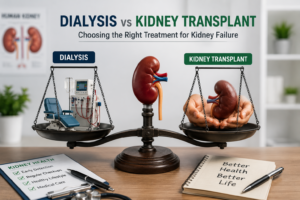
For people with End-Stage Kidney Disease (ESKD) or severe chronic kidney disease, two primary treatment options are available: dialysis and kidney transplantation. While both treatments help patients live longer and improve their quality of life, they work in very different ways and have unique benefits and limitations.
Understanding the differences between dialysis and kidney transplantation can help patients and families make informed healthcare decisions. In this blog, we explain how each treatment works, who is eligible, the advantages and disadvantages of each option, and factors to consider when choosing the most appropriate treatment.
What Is Kidney Failure?
Kidney failure occurs when the kidneys lose around 85–90% of their ability to function properly. As a result, the body cannot effectively remove waste products, toxins, or excess fluids from the blood.
Common causes of kidney failure include:
- Diabetes
- High blood pressure
- Chronic kidney disease (CKD)
- Polycystic kidney disease
- Glomerulonephritis
- Recurrent kidney infections
- Autoimmune diseases
Common Symptoms of Kidney Failure
Patients may experience:
- Persistent fatigue
- Swelling in the legs, ankles, or feet
- Decreased urine output
- Nausea and vomiting
- Shortness of breath
- Poor appetite
- Difficulty concentrating
- Muscle cramps
- High blood pressure
- Itchy skin
Without proper treatment, kidney failure can become life-threatening.
What Is Dialysis?
Dialysis is a medical treatment that performs some of the functions of healthy kidneys. It removes waste products, excess fluids, and toxins from the blood when the kidneys can no longer do so.
Although dialysis helps keep patients alive, it does not cure kidney failure or restore kidney function.
Types of Dialysis
Hemodialysis
In hemodialysis, blood is removed from the body, filtered through a dialysis machine, and returned to the bloodstream.
Most patients require:
- Three sessions per week
- Each session lasts about 3–5 hours
Peritoneal Dialysis
Peritoneal dialysis uses the lining of the abdomen (peritoneum) as a natural filter. A special fluid is introduced into the abdominal cavity to absorb waste and excess fluid before being drained.
This method can often be performed at home after proper training.
Benefits of Dialysis
Dialysis offers several important advantages:
- Removes harmful toxins from the blood
- Controls fluid balance
- Helps regulate electrolytes
- Improves symptoms of kidney failure
- Can be started immediately in emergencies
- Suitable for patients waiting for a kidney transplant
- Available for patients who are not transplant candidates
Limitations of Dialysis
Despite its benefits, dialysis has several challenges:
- Requires lifelong treatment unless a transplant is performed
- Frequent hospital or dialysis center visits
- Strict fluid restrictions
- Dietary limitations
- Fatigue after treatment sessions
- Increased risk of infections
- Reduced flexibility in daily life
- Higher long-term cardiovascular risks
What Is a Kidney Transplant?
A kidney transplant is a surgical procedure in which a healthy kidney from a living or deceased donor is placed into a patient with kidney failure.
The transplanted kidney takes over the work of filtering blood, eliminating waste, and maintaining fluid balance.
A successful kidney transplant can significantly improve both life expectancy and quality of life.
Who Can Donate a Kidney?
Kidney donors may include:
- Parents
- Siblings
- Children
- Spouse
- Other relatives
- Compatible unrelated living donors
- Deceased organ donors
All donors undergo detailed medical evaluations to ensure safety and compatibility.
Benefits of Kidney Transplant
Compared with long-term dialysis, kidney transplantation offers several advantages:
Better Quality of Life
Many transplant recipients return to work, travel, exercise, and enjoy a more active lifestyle.
Longer Life Expectancy
Research shows that eligible patients who receive a successful kidney transplant generally live longer than those who remain on dialysis.
Fewer Dietary Restrictions
Most transplant patients enjoy a more flexible diet after recovery, although healthy eating remains essential.
Improved Energy Levels
As the new kidney functions normally, patients often experience increased energy and reduced fatigue.
Greater Independence
Unlike dialysis, transplant recipients are not tied to regular dialysis sessions, allowing greater freedom in daily life.
Risks of Kidney Transplant
Like any major surgery, kidney transplantation also has potential risks.
These include:
- Surgical complications
- Organ rejection
- Infection
- Bleeding
- Side effects of immunosuppressive medications
- Increased risk of certain cancers due to lifelong immune suppression
Regular follow-up visits and medication adherence are essential for long-term success.
Dialysis vs Kidney Transplant: Key Differences
| Feature | Dialysis | Kidney Transplant |
|---|---|---|
| Purpose | Replaces some kidney functions | Replaces the failed kidney |
| Procedure | Ongoing treatment | One-time surgery |
| Hospital Visits | Regular sessions | Routine follow-up appointments |
| Lifestyle | More restricted | More flexible |
| Diet | Strict restrictions | Fewer restrictions |
| Long-Term Outcome | Effective but ongoing | Often better long-term survival |
| Cure | No | Not a cure, but offers long-term kidney function |
| Cost | Continuous treatment costs | Higher initial cost but may reduce long-term expenses |
Which Treatment Is Better?
There is no single answer that fits everyone.
Kidney transplantation is generally considered the preferred treatment for many eligible patients because it often provides:
- Better quality of life
- Improved survival
- Greater independence
- Better overall health outcomes
However, dialysis remains an excellent and life-saving option for patients who:
- Are not medically fit for transplantation
- Have serious heart disease or other health conditions
- Are waiting for a donor kidney
- Choose not to undergo surgery
The best treatment depends on the patient’s age, overall health, underlying medical conditions, donor availability, and personal preferences.
Lifestyle Tips for Kidney Patients
Whether undergoing dialysis or living with a transplanted kidney, healthy lifestyle habits are essential.
Patients should:
- Follow their nephrologist’s recommendations
- Take medications exactly as prescribed
- Control diabetes and blood pressure
- Eat a kidney-friendly diet
- Limit salt intake
- Stay physically active as advised
- Avoid smoking and excessive alcohol
- Attend regular medical check-ups
- Stay up to date with vaccinations
When Should You See a Kidney Specialist?
Consult a nephrologist immediately if you experience:
- Persistent swelling
- Blood in urine
- Reduced urine output
- Severe fatigue
- High blood pressure that is difficult to control
- Persistent nausea
- Chronic kidney disease symptoms
- Abnormal kidney function test results
Early diagnosis and timely treatment can help slow kidney disease progression and improve outcomes.
Conclusion
Kidney failure is a serious condition, but with early diagnosis and the right treatment, many patients can lead healthy and fulfilling lives. Whether dialysis or a kidney transplant is the right option depends on your overall health, medical history, and guidance from an experienced nephrologist. Understanding the benefits and limitations of each treatment can help you make an informed decision for long-term kidney health.
If you are experiencing symptoms of kidney disease or have been diagnosed with kidney failure, don’t delay seeking expert medical care. Consult an experienced nephrologist at the Best Hospital in Hyderabad for a comprehensive evaluation and personalized treatment plan. Book an Appointment today to receive timely diagnosis, expert guidance, and advanced kidney care for better health and improved quality of life.