

The condition of high blood pressure, referred to as hypertension, has become one of the most frequent health issues that affects millions of people around the world. It is sometimes referred to as the silent killer because it generally does not have obvious signs, but it could lead to grave health problems when left untreated.
Recognizing the causes, understanding the signs and symptoms, as well as knowing the options for treatment, can assist you in managing and avoiding high blood pressure efficiently.
What is High Blood Pressure?
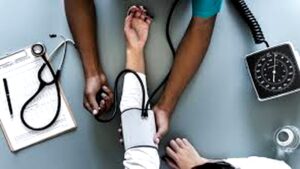
The force of blood is the force that pushes blood into the walls of your arteries while the heart beats. If the pressure stays consistently high, it’s known as high blood pressure, or hypertension.
The normal reading for blood pressure will usually be approximately 120/80 mmHg. If it’s higher than 140/90 mmHg, this is deemed excessive and needs medical attention.
Causes of High Blood Pressure
High blood pressure can occur due to a variety of reasons. Most of the time, it is not an obvious cause; however, certain elements make it more likely.
1. Unhealthy Lifestyle
A poor diet, particularly excessive salt consumption, lack of exercise, and poor eating habits, can increase your blood pressure.
2. Stress
Chronic stress can lead to a rise in blood pressure over time. It can also lead to unhealthy habits such as eating too much or smoking cigarettes.
3. Obesity
Being overweight can put extra stress on the heart and lungs, thereby increasing the risk of developing hypertension.
4. Smoking and Alcohol
Smoking causes blood vessels to break down in the same way that drinking alcohol regularly can increase blood pressure.
5. Genetics
The family history plays a significant part. If your parents suffer from hypertension, the risk for you increases.
6. Medical Conditions
Certain diseases, such as diabetes, kidney disease, thyroid problems, and others, can result in high blood pressure.
Symptoms of High Blood Pressure
One of the most difficult issues in hypertension lies in the fact that it usually doesn’t show any obvious signs. In some instances, individuals may experience the following:
- Frequent headaches
- Dizziness
- Breathing problems
- Chest pain
- Fatigue
- Vision blurred
It is crucial to remember that a lot of people do not notice any signs whatsoever. This is why regular health checks are crucial.
Complications of Untreated Hypertension
If not properly managed, high blood pressure may result in serious health issues, including:
- Heart attack
- Stroke
- Kidney damage
- Vision loss
- Heart failure
Early detection and the appropriate treatment can drastically lower the risk.
Diagnosis
The diagnosis of high blood pressure is made with a simple measurement of blood pressure. Doctors can recommend multiple readings to prove the severity of the problem.
Other tests, such as testing for blood, ECG, or kidney function tests, can be suggested to determine the root cause of complications.
Treatment Options
Controlling high blood pressure requires an array of lifestyle changes and medication.
1. Lifestyle Changes
The first and most crucial actions:
- Reduce salt intake
- A balanced diet that includes plenty of fruits and vegetables
- Get active regularly (at a minimum of 30 minutes per day)
- Maintain your weight in a healthy range.
- Stop smoking
- Limit alcohol consumption
- Reduce stress with meditation or yoga
2. Medications
Doctors can prescribe medicines depending on your health situation. This could include:
- Diuretics
- ACE inhibitors
- Calcium channel blockers
- Beta-blockers
It is essential to follow the dosage exactly according to the prescription and never miss a dose.
Prevention Tips
The prevention of high blood pressure in your blood is more effective than managing it. Here are some easy guidelines:
- Check your blood pressure regularly
- Eat a balanced and healthy diet (low salt and fat)
- Be physically active
- Beware of alcohol and smoking
- Make sure you get enough rest
- Be able to manage stress efficiently
When Should You See a Doctor?
It is recommended to consult with a physician. If:
- The readings of your blood pressure have been consistently high.
- You may experience symptoms such as headaches or chest pain.
- If you have a family background of hypertension in your family.
- You are suffering from kidney disease or diabetes
Early medical intervention can reduce the risk of complications and enhance your overall health.
Conclusion
Blood pressure can be an extremely dangerous yet manageable issue. By making the necessary lifestyle adjustments along with regular monitoring and the right medical treatment, you can manage your blood pressure and lead a healthier life.
Do not wait for symptoms to be apparent. Regular checkups and prompt actions can make the difference.
If you have any further doubts or concerns, don’t delay—visit the best hospital and consult a qualified doctor. Timely medical advice can help protect your health. Book your appointment now.