

Digestive health is one of the most important aspects of overall well-being, yet many people overlook symptoms until they become severe. Conditions affecting the colon and rectum often develop gradually and may not cause noticeable signs during their early stages. This is why timely screening plays a vital role in preventing serious digestive diseases. Among the available diagnostic procedures, a colonoscopy is considered the most accurate and effective method for evaluating the health of the large intestine.
A colonoscopy helps doctors detect colon polyps, colorectal cancer, inflammatory bowel disease, gastrointestinal bleeding, and several other digestive disorders before they become life-threatening. Unlike many diagnostic tests, a colonoscopy not only identifies abnormalities but also allows specialists to remove precancerous polyps during the same procedure, significantly reducing the risk of colon cancer.
Choosing the best hospital for colonoscopy ensures access to experienced gastroenterologists, advanced endoscopy technology, accurate diagnosis, and personalized treatment. Early diagnosis combined with expert medical care can make a significant difference in treatment success and long-term digestive health.
Whether you are experiencing digestive symptoms or considering routine colon cancer screening, understanding the colonoscopy procedure can help you make informed healthcare decisions with confidence.
What Is a Colonoscopy?
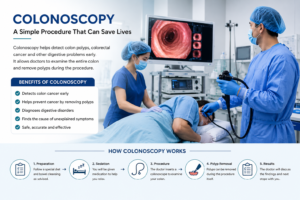
A colonoscopy is an advanced diagnostic procedure that allows a gastroenterologist to examine the inside of the colon (large intestine) and rectum using a long, flexible instrument known as a colonoscope. This specialized device contains a high-definition camera and light source that transmit detailed images to a monitor, enabling doctors to examine the intestinal lining with exceptional clarity.
The procedure is widely recognized as the gold standard for colorectal cancer screening because of its ability to detect even very small abnormalities that may not be visible through other imaging tests.
Unlike many medical investigations, a colonoscopy serves both diagnostic and therapeutic purposes. During the examination, doctors can identify abnormal tissue, remove colon polyps, collect biopsy samples for laboratory testing, and evaluate the cause of unexplained digestive symptoms without requiring additional surgery.
Because of its accuracy, a colonoscopy remains one of the most valuable procedures in modern gastroenterology.
Why Is a Colonoscopy Important?
Many digestive diseases progress silently without causing pain or noticeable symptoms during their early stages. By the time warning signs appear, the condition may already have advanced, making treatment more challenging.
A colonoscopy plays a crucial role in detecting diseases early when treatment is most successful. It is one of the few screening procedures capable of preventing cancer by removing precancerous polyps before they develop into colorectal cancer.
Doctors commonly recommend a colonoscopy to:
- Detect colorectal cancer in its earliest stage
- Identify and remove colon polyps
- Investigate persistent abdominal pain
- Diagnose inflammatory bowel disease
- Evaluate chronic constipation or diarrhea
- Detect gastrointestinal bleeding
- Investigate unexplained anemia
- Examine changes in bowel habits
- Monitor previous colorectal diseases
Early diagnosis not only improves treatment outcomes but also reduces the likelihood of major complications and extensive medical interventions.
Signs and Symptoms That Should Never Be Ignored
Many people assume digestive discomfort is temporary and delay seeking medical attention. However, persistent symptoms should never be ignored, especially when they continue for several weeks.
Consult a gastroenterologist if you experience:
- Blood in the stool
- Rectal bleeding
- Persistent constipation
- Chronic diarrhea
- Ongoing abdominal pain
- Frequent bloating
- Sudden weight loss
- Changes in bowel habits
- Iron deficiency anemia
- Fatigue associated with unexplained blood loss
Although these symptoms do not always indicate colorectal cancer, they may signal serious digestive disorders that require prompt medical evaluation.
Who Should Get a Colonoscopy?
Health experts recommend routine colorectal cancer screening for adults beginning at 45 years of age, even if no symptoms are present. Regular screening helps detect problems before they become serious.
However, certain individuals may need earlier screening due to increased risk factors.
You may benefit from an earlier colonoscopy if you have:
- A family history of colorectal cancer
- Previous colon polyps
- Crohn’s disease
- Ulcerative colitis
- Inflammatory bowel disease
- Persistent digestive complaints
- Unexplained gastrointestinal bleeding
- Chronic iron deficiency anemia
- Genetic conditions associated with colorectal cancer
The frequency of screening depends on your age, medical history, previous colonoscopy findings, and overall health. Your gastroenterologist will recommend the most appropriate schedule based on your individual risk.
Conditions Diagnosed Through Colonoscopy
A colonoscopy is one of the most comprehensive investigations available for diagnosing disorders affecting the large intestine.
It helps diagnose:
- Colorectal cancer
- Colon polyps
- Crohn’s disease
- Ulcerative colitis
- Diverticulosis
- Diverticulitis
- Gastrointestinal bleeding
- Colon ulcers
- Infectious colitis
- Benign tumors
- Internal hemorrhoids
- Inflammatory bowel disease
Detecting these conditions early allows doctors to begin appropriate treatment before complications develop, improving long-term digestive health.
How to Prepare for a Colonoscopy
Proper preparation is essential for obtaining accurate results. A clean colon enables doctors to clearly examine the intestinal lining and detect even small abnormalities.
Preparation usually begins one or two days before the procedure.
Patients are generally advised to:
- Follow a low-fiber diet
- Consume only clear liquids before the examination
- Drink plenty of water
- Take the prescribed bowel-cleansing solution
- Avoid certain medications if recommended by the doctor
Patients taking blood thinners, diabetes medications, or iron supplements should inform their healthcare provider before the procedure, as temporary medication adjustments may be necessary.
Although bowel preparation is often considered the most challenging part of the process, it is essential for ensuring a successful examination.
What Happens During the Colonoscopy Procedure?
A colonoscopy is usually performed in a specialized endoscopy suite using monitored sedation to maximize patient comfort.
The procedure generally includes the following steps:
- An intravenous (IV) line is inserted.
- Sedation is administered to help the patient relax.
- The colonoscope is gently introduced through the rectum.
- Carbon dioxide is used to expand the colon for better visibility.
- The doctor carefully examines the entire large intestine.
- Polyps, if detected, are often removed immediately.
- Suspicious areas are biopsied for laboratory evaluation.
Is a Colonoscopy Painful?
One of the most common concerns patients have before undergoing a colonoscopy is whether the procedure is painful. Fortunately, modern colonoscopy procedures are designed to maximize patient comfort.
Most colonoscopies are performed under conscious sedation or light anesthesia, allowing patients to remain relaxed throughout the examination. Many people remember very little about the procedure afterward. Some individuals may experience mild pressure or temporary bloating because air or carbon dioxide is introduced into the colon for better visibility, but this usually disappears within a few hours.
The procedure itself is generally well tolerated, and most patients are surprised by how comfortable and quick the experience is.
Benefits of Choosing the Best Hospital for Colonoscopy
Selecting the best hospital for colonoscopy can significantly improve the quality of diagnosis, treatment, and overall patient experience. Hospitals equipped with advanced endoscopy technology and experienced gastroenterologists can identify even the smallest abnormalities with greater accuracy.
Some of the major benefits of undergoing a colonoscopy include:
- Early detection of colorectal cancer
- Prevention of cancer through colon polyp removal
- Accurate diagnosis of digestive disorders
- Identification of gastrointestinal bleeding
- Detection of inflammatory bowel disease
- Collection of biopsy samples for laboratory diagnosis
- Minimally invasive examination
- Quick recovery with minimal discomfort
- Better long-term digestive health
- Reduced risk of advanced colorectal disease
One of the greatest advantages of a colonoscopy is that it not only detects disease but can also prevent colorectal cancer by removing precancerous polyps before they become cancerous.
Are There Any Risks?
A colonoscopy is considered a safe and highly effective medical procedure when performed by experienced gastroenterologists. Serious complications are uncommon, and millions of successful procedures are performed worldwide every year.
Although rare, possible risks include:
- Mild bleeding after biopsy or polyp removal
- Temporary abdominal discomfort
- Reaction to sedation
- Infection
- Colon perforation (very rare)
For most patients, the benefits of early diagnosis and disease prevention greatly outweigh these uncommon risks.
Recovery After a Colonoscopy
Recovery following a colonoscopy is usually smooth and uncomplicated. Patients are typically monitored for a short period after the procedure until the effects of sedation begin to wear off.
Doctors generally recommend:
- Resting for the remainder of the day
- Avoiding driving or operating machinery for 24 hours
- Drinking plenty of fluids
- Returning to a normal diet as advised
- Walking gently to relieve temporary bloating
- Following all post-procedure instructions
Most individuals are able to return to work and normal daily activities the following day.
Tips to Keep Your Colon Healthy
Although regular screening is essential, maintaining a healthy lifestyle can significantly reduce the risk of colorectal disease.
Healthy habits include:
- Eating a diet rich in fruits, vegetables, and whole grains
- Increasing daily fiber intake
- Drinking adequate water
- Exercising regularly
- Maintaining a healthy body weight
- Limiting processed foods and red meat
- Avoiding smoking and tobacco products
- Limiting alcohol consumption
- Managing diabetes and other chronic health conditions
- Scheduling routine colorectal cancer screening as recommended
These simple lifestyle choices help promote better digestive health while lowering the risk of colon-related diseases.
Why Early Colonoscopy Can Save Lives
Many people delay undergoing a colonoscopy because they believe it is only necessary when symptoms become severe. However, colorectal cancer often develops slowly and may not produce noticeable symptoms during its early stages.
Early colon cancer screening allows doctors to detect abnormal growths before they become dangerous. During a colonoscopy, precancerous polyps can often be removed immediately, preventing them from developing into cancer.
Individuals over the age of 45, those with a family history of colorectal cancer, or anyone experiencing persistent digestive symptoms should discuss screening with an experienced gastroenterologist. Early diagnosis improves treatment success, reduces complications, and can save lives.
Why Choosing the Best Hospital for Colonoscopy Matters
Choosing the best hospital for colonoscopy is one of the most important decisions you can make for your digestive health. High-quality healthcare facilities combine experienced specialists, advanced diagnostic technology, and patient-centered care to deliver accurate results and effective treatment.
The best hospitals generally provide:
- Advanced high-definition colonoscopy equipment
- Experienced gastroenterologists
- Comprehensive digestive healthcare
- Colon cancer screening programs
- Colon polyp removal
- Biopsy and pathology services
- Safe sedation facilities
- Personalized treatment plans
- Modern infection control practices
- Compassionate patient care
Receiving care at a well-equipped gastroenterology center helps ensure early diagnosis, accurate treatment planning, and better long-term health outcomes.
Expert Care Makes the Difference
A colonoscopy is a specialized medical procedure that requires expertise, precision, and advanced technology. Accurate diagnosis depends not only on the quality of the equipment but also on the experience of the medical team performing the examination.
Choosing the best hospital for colonoscopy ensures that patients receive evidence-based care from qualified gastroenterologists using modern endoscopy systems. Early detection of colorectal diseases enables timely treatment, reduces complications, and improves recovery outcomes.
Ignoring persistent digestive symptoms or postponing recommended screening may delay diagnosis and increase the risk of advanced disease. Seeking medical evaluation at the right time remains one of the most effective ways to protect long-term digestive health.
Conclusion
A colonoscopy is one of the most effective procedures for protecting digestive health and preventing serious colorectal diseases. It plays a vital role in detecting colorectal cancer at an early stage, identifying digestive disorders, and removing precancerous polyps before they become life-threatening.
Whether you need routine colon cancer screening, evaluation for persistent digestive symptoms, or follow-up care for an existing gastrointestinal condition, choosing the best hospital for colonoscopy ensures access to experienced gastroenterologists, advanced diagnostic technology, and comprehensive digestive healthcare. Early diagnosis and timely treatment can significantly improve health outcomes and provide peace of mind.
If you are experiencing digestive symptoms or are due for routine colorectal cancer screening, don’t delay your care. Book an appointment with an experienced gastroenterologist today for a comprehensive evaluation and personalized treatment plan. Taking the first step toward early detection can help protect your digestive health for years to come.