

The liver is one of the body’s most important organs. It plays a major role in processing nutrients, filtering substances from the blood, supporting digestion, and carrying out many essential metabolic functions. When the liver becomes larger than its normal size, it is known as hepatomegaly, or an enlarged liver.
Hepatomegaly is not a disease by itself. Instead, it is usually a sign that an underlying condition is affecting the liver or another part of the body. The causes can range from fatty liver and viral hepatitis to alcohol-related liver damage, heart problems, infections, certain metabolic disorders, and, in some cases, liver growths or cancers.
Understanding the causes, symptoms, diagnosis, and treatment of an enlarged liver can help people recognize when medical evaluation may be necessary.
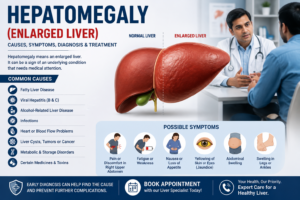
What Is Hepatomegaly?
Hepatomegaly is the medical term for a liver that is larger than expected. The liver is located mainly in the upper-right portion of the abdomen, underneath the rib cage. Normally, it may not be easily felt during a physical examination. When the liver becomes enlarged, it can sometimes extend below the ribs and may be detected during an abdominal examination.
Importantly, an enlarged liver does not automatically mean that a person has severe liver disease or cancer. It is a physical finding that can have many different causes. In some people, hepatomegaly may be discovered incidentally during an ultrasound, blood test, or examination performed for another health concern.
What Causes an Enlarged Liver?
There are several possible causes of hepatomegaly. Identifying the underlying cause is important because treatment depends on the condition responsible for the enlargement.
Fatty Liver Disease
Fatty liver is one of the common conditions associated with liver enlargement. Fat can accumulate in the liver because of metabolic factors such as excess weight, insulin resistance, diabetes, high cholesterol, or other metabolic problems. Alcohol use can also contribute to fatty liver and liver inflammation.
Lifestyle changes, including healthy eating, physical activity, weight management, and addressing associated metabolic conditions, can be important parts of management when fatty liver is responsible.
Viral Hepatitis
Viral infections such as hepatitis B and hepatitis C can cause inflammation and damage to liver tissue. Persistent inflammation may contribute to liver enlargement and, if untreated, can increase the risk of long-term liver damage.
Alcohol-Related Liver Damage
Long-term or excessive alcohol consumption can injure liver cells and contribute to inflammation, fatty liver, fibrosis, and cirrhosis. Alcohol-associated hepatitis can also cause liver inflammation and swelling.
Cirrhosis
Cirrhosis occurs when long-term liver injury causes scar tissue to replace healthy liver tissue. Depending on the stage and underlying cause, the liver may initially become enlarged and may later become smaller as scarring progresses.
Infections
Certain viral and parasitic infections can affect the liver and cause enlargement. Some infections may also cause fever, weakness, swollen lymph nodes, or other symptoms depending on the underlying illness.
Heart and Blood Flow Problems
Hepatomegaly is not always caused by a disease that begins in the liver. Conditions such as congestive heart failure can cause blood to back up in the veins connected to the liver, resulting in liver congestion and enlargement. Certain blood-flow disorders affecting the liver can also have a similar effect.
Liver Cysts, Growths and Tumours
Cysts, abscesses, benign growths, and malignant tumours can sometimes increase liver size. Cancer may originate in the liver or spread to the liver from another part of the body. However, an enlarged liver does not automatically mean cancer; many non-cancerous conditions can cause hepatomegaly.
Metabolic and Storage Disorders
Certain inherited conditions can cause substances to accumulate in liver tissue. Examples include haemochromatosis, in which excess iron is stored in the body, and Wilson’s disease, which causes copper accumulation. Amyloidosis can also involve abnormal protein deposits in the liver.
Medicines and Toxin Exposure
Some medicines, supplements, herbal products, and toxins can cause liver injury. The risk can depend on the substance, dose, duration of exposure, and individual health factors. This is why medicines and supplements should be taken according to medical advice and recommended doses.
What Are the Symptoms of Hepatomegaly?
An enlarged liver does not always cause noticeable symptoms, particularly during the early stages. When symptoms occur, they may vary depending on the underlying cause and the extent of liver enlargement.
Possible enlarged liver symptoms include:
- Discomfort or a feeling of fullness in the upper-right abdomen
- Abdominal swelling
- Pain or tenderness around the liver
- Reduced appetite or feeling full quickly
- Fatigue or weakness
- Nausea or vomiting
- Yellowing of the skin or eyes, known as jaundice
- Swelling in the legs or ankles
Some people may have only mild symptoms, while others may not experience any obvious symptoms until the underlying condition becomes more advanced.
How Is an Enlarged Liver Diagnosed?
Diagnosing hepatomegaly involves more than simply confirming that the liver is enlarged. Doctors also need to determine why the enlargement has occurred.
A medical evaluation may begin with a physical examination. The doctor may examine the abdomen to assess the liver’s size, shape, texture, and tenderness.
Ultrasound and Imaging Tests
An abdominal ultrasound is commonly used to evaluate liver size and appearance. Depending on the findings, additional imaging such as a CT scan or MRI may be recommended to examine the liver in greater detail and look for abnormalities, growths, or changes in blood flow.
Blood Tests
Liver function tests can provide information about how well the liver is functioning. Depending on the patient’s symptoms and medical history, doctors may also recommend tests for viral hepatitis, iron or copper abnormalities, and other possible causes.
Liver Biopsy
A liver biopsy may sometimes be recommended when imaging and blood tests do not provide enough information. A small sample of liver tissue is examined under a microscope to help identify certain liver conditions.
How Is Hepatomegaly Treated?
There is no single treatment for hepatomegaly because treatment depends on its underlying cause. The goal is to manage the condition responsible for the liver enlargement and protect liver function.
For fatty liver related to metabolic factors, lifestyle changes such as a balanced diet, regular physical activity, gradual weight management, and control of diabetes or high cholesterol may be recommended. Reducing or avoiding alcohol is also important when alcohol contributes to liver injury.
If an infection is responsible, treatment may involve appropriate antiviral, antibiotic, or antiparasitic medicines depending on the specific infection. Hepatitis-related conditions may require specialist-guided treatment and long-term monitoring.
When heart failure or a blood-flow problem causes liver congestion, treatment focuses on managing the underlying cardiovascular or circulatory condition. If a tumour or other growth is responsible, treatment depends on whether it is benign or malignant, its size, location, and other clinical factors. Treatment options may include surgery, medicines, targeted therapies, radiotherapy, or other specialist treatments.
Regular follow-up may also be needed through blood tests, imaging, and clinical assessments to monitor the liver’s response to treatment.
How Can You Support Liver Health?
Not every case of hepatomegaly can be prevented, particularly when inherited conditions or certain diseases are involved. However, several healthy habits can support liver health.
A balanced diet containing vegetables, fruits, whole grains, lean proteins, and healthy fats can help support overall metabolic health. Maintaining a healthy weight and staying physically active can also help reduce the risk of metabolic fatty liver disease.
Avoiding excessive alcohol, managing diabetes and cholesterol, taking medicines only as directed, and avoiding unnecessary supplements can also help reduce liver-related risks. Hepatitis prevention measures, including appropriate vaccination and safe practices, are important as well.
When Should You See a Doctor?
If you experience persistent pain or pressure in the upper-right abdomen, unexplained fatigue, abdominal or leg swelling, loss of appetite, unexplained weight loss, jaundice, or ongoing nausea and vomiting, it is important to seek medical evaluation.
People who already have conditions such as diabetes, high cholesterol, heart disease, or known liver disease may also benefit from regular medical monitoring.
Conclusion
Hepatomegaly, or an enlarged liver, can occur due to several conditions, including fatty liver, viral hepatitis, alcohol-related liver damage, infections, metabolic disorders, and other liver-related problems. Since an enlarged liver is a sign of an underlying condition rather than a disease itself, timely diagnosis and appropriate treatment are important for protecting long-term liver health.
If you have symptoms or have been diagnosed with an enlarged liver, consulting an experienced specialist can help identify the underlying cause and guide you toward the right treatment. Choosing the best hospital for proper evaluation, diagnosis, and personalized care can make an important difference. If you need expert medical guidance, book appointment with a qualified specialist and take the right step toward better liver health.