

Cholesterol is an important substance required by the body to build healthy cells, produce hormones, and support normal body functions. However, when cholesterol levels increase beyond the normal range, it can become a serious health concern. High cholesterol is one of the major risk factors for heart-related diseases, including heart attacks and strokes.
One of the biggest challenges with high cholesterol is that it usually does not show any noticeable symptoms in the early stages. A person may feel completely healthy while cholesterol is slowly building up inside the blood vessels. This is why regular health checkups and early detection play an important role in preventing complications.
Understanding the causes, warning signs, diagnosis, treatment options, and lifestyle changes can help you manage cholesterol levels effectively and maintain better heart health.
What Is Cholesterol?
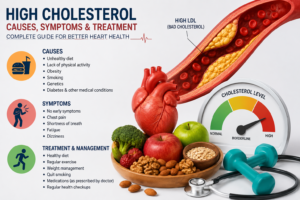
Cholesterol is a waxy, fat-like substance present in the blood. The liver naturally produces cholesterol, and it is also obtained from certain foods. Cholesterol itself is not harmful because the body needs it for several important functions.
Since cholesterol cannot travel through the blood on its own, it combines with proteins to form lipoproteins. These lipoproteins carry cholesterol throughout the body.
There are two main types of cholesterol:
LDL Cholesterol (Bad Cholesterol)
Low-density lipoprotein (LDL) is commonly known as bad cholesterol. When LDL levels become high, excess cholesterol can collect inside the walls of arteries and form plaque. Over time, this can narrow the arteries and reduce blood flow, increasing the risk of heart disease.
HDL Cholesterol (Good Cholesterol)
High-density lipoprotein (HDL) is known as good cholesterol because it helps remove excess cholesterol from the bloodstream and carries it back to the liver for processing. Higher levels of HDL cholesterol are considered beneficial for heart health.
Maintaining a healthy balance between LDL and HDL cholesterol is essential for overall well-being.
Causes of High Cholesterol
Several factors can contribute to increased cholesterol levels. Some factors are related to lifestyle, while others may be influenced by genetics and health conditions.
1. Unhealthy Eating Habits
A diet high in saturated fats, trans fats, and processed foods can increase LDL cholesterol levels. Regular consumption of fried foods, fast foods, fatty meats, butter, and packaged snacks may contribute to cholesterol imbalance.
Eating a diet rich in fruits, vegetables, whole grains, and fiber can help support healthy cholesterol levels.
2. Lack of Physical Activity
A sedentary lifestyle can negatively affect cholesterol levels. Regular exercise helps increase HDL cholesterol and supports better circulation. People who spend long hours sitting and do not engage in physical activity may have a higher risk of developing high cholesterol.
3. Being Overweight
Excess body weight can affect how the body processes cholesterol. Maintaining a healthy weight through balanced nutrition and regular exercise can improve cholesterol levels and reduce the risk of heart-related problems.
4. Smoking
Smoking damages blood vessels and reduces HDL cholesterol levels. It also increases the chances of plaque formation in arteries, making heart problems more likely.
5. Diabetes and Other Medical Conditions
Health conditions such as diabetes, thyroid disorders, and kidney diseases can affect cholesterol levels. Proper management of these conditions is important for maintaining overall health.
6. Family History and Genetics
Some people may have high cholesterol due to inherited factors. A condition called familial hypercholesterolemia can cause very high cholesterol levels even when a person follows a healthy lifestyle.
Symptoms of High Cholesterol
High cholesterol is often called a “silent condition” because it usually does not cause visible symptoms. Many people discover they have high cholesterol only after a blood test or health examination.
However, long-term uncontrolled cholesterol can contribute to symptoms related to heart and blood vessel problems, such as:
- Chest discomfort or chest pain
- Shortness of breath
- Fatigue during physical activity
- Weakness or dizziness in some cases
These symptoms may indicate complications rather than high cholesterol itself. Regular cholesterol testing is the best way to identify the condition early.
How Is High Cholesterol Diagnosed?
Doctors diagnose high cholesterol through a blood test called a lipid profile test. This test provides information about different types of fats in the blood.
A lipid profile usually measures:
- Total cholesterol
- LDL cholesterol
- HDL cholesterol
- Triglycerides
Based on the test results, medical history, lifestyle habits, age, and other risk factors, a doctor can recommend the appropriate treatment plan.
Regular cholesterol screening is especially important for people with:
- Diabetes
- High blood pressure
- Obesity
- Family history of heart disease
- Smoking habits
- Increased age-related risks
Health Risks Associated With High Cholesterol
If high cholesterol is not managed properly, it can increase the risk of several serious health conditions.
Heart Disease
Excess LDL cholesterol can create plaque inside the arteries. This reduces blood flow to the heart and increases the risk of coronary artery disease.
Heart Attack
When plaque blocks blood flow to the heart, it can lead to a heart attack. Managing cholesterol levels is an important step in preventing heart-related emergencies.
Stroke
Cholesterol buildup in blood vessels supplying the brain can increase the risk of stroke.
Poor Blood Circulation
Blocked arteries can affect blood flow to different parts of the body, causing circulation problems.
Treatment Options for High Cholesterol
Treatment for high cholesterol depends on cholesterol levels, overall health condition, and risk factors.
Lifestyle Changes
For many people, improving daily habits can significantly help manage cholesterol levels.
Important lifestyle changes include:
Follow a Healthy Diet
Choose foods that support heart health, such as:
- Fresh fruits and vegetables
- Whole grains
- Oats and high-fiber foods
- Nuts and seeds
- Lean proteins
- Healthy fats
Limit foods that are high in unhealthy fats and added sugars.
Exercise Regularly
Physical activity helps improve cholesterol balance and strengthens the heart.
Activities such as:
- Walking
- Cycling
- Swimming
- Yoga
- Strength exercises
can support better heart health when done regularly.
Maintain a Healthy Weight
Reducing excess weight can help lower LDL cholesterol and improve overall metabolism.
Avoid Smoking
Quitting smoking improves blood circulation and supports better heart health.
Medications for Cholesterol Control
In some cases, lifestyle changes alone may not be enough. Doctors may recommend cholesterol-lowering medications to reduce LDL levels and prevent complications.
Medication decisions depend on:
- Cholesterol levels
- Heart disease risk
- Age
- Existing medical conditions
Patients should take medications only under medical guidance and follow regular follow-ups.
When Should You Consult an Internal Medicine Specialist?
You should consult an Internal Medicine Specialist if:
- Your cholesterol report shows high levels
- You have diabetes or high blood pressure
- You have a family history of heart disease
- You need guidance on diet and lifestyle changes
- You want regular preventive health checkups
- You experience symptoms related to heart health
Early consultation helps identify risks and allows timely management.